


Journal/Daily Practice

Time for Empathy
We want to talk. We want to share our opinions and ideas. We want to solve the problem because it seems obvious to us. Staying quiet is uncomfortable, but when we slow down and listen, conversations change. Trust builds. Defenses drop. When someone feels heard, they are more willing to listen. Moving positions becomes easier when understanding comes first. Our job is not agreement, our job is understanding.
Time for Exploration
We move too quickly. We answer fast, act fast, judge fast. We solve other people’s problems before understanding them. We assume we know the situation, the intent, the motivation, and we jump in. Speed and assumption steal time, damage trust, and keep us solving a problem instead of the problem. The opportunity is to explore. To pause. To gather more. To understand where someone is coming from and why they act the way they do. Exploration saves time, deepens connection, and turns conflict into understanding. It strengthens relationships, reduces arguments, and builds clarity. When we explore the landscape before acting, we navigate life with intention rather than reaction.

Time for Creativity
We move through our days on autopilot, repeating the same routines, frustrations, and reactions. We get stuck in the places we always get stuck, losing time in familiar ways and approaching the same situations with the same mindset. Creativity breaks that loop. When we step back and look at our day differently — through curiosity, through a fresh lens, through the eyes of someone who sees us clearly — we uncover better ways to respond, work, interact, and move through our time. The obstacle is our predictability. The opportunity is to use creativity to redesign the moments that drain us.

Time for Navigation
Time is fixed. We don’t get to make more of it. Every day shows up with things we have to do, things we choose to do, and things we don’t want to do but have to do anyway. The real problem is how much time gets wasted on things that don’t matter — the scrolling, the noise, the habits that eat minutes and turn them into hours.
We get to navigate our time. At any point in the day, we can stop and ask if what we’re doing is important. We can choose not to look at our screens. We can choose not to bring them to dinner. We can replace all of that with something that will matter — conversations with the people we love or actions that add value to the day, the year, or our life. When we stop giving our time away to the things that don’t matter, we find we have plenty of time for the things that do.
Time for Action
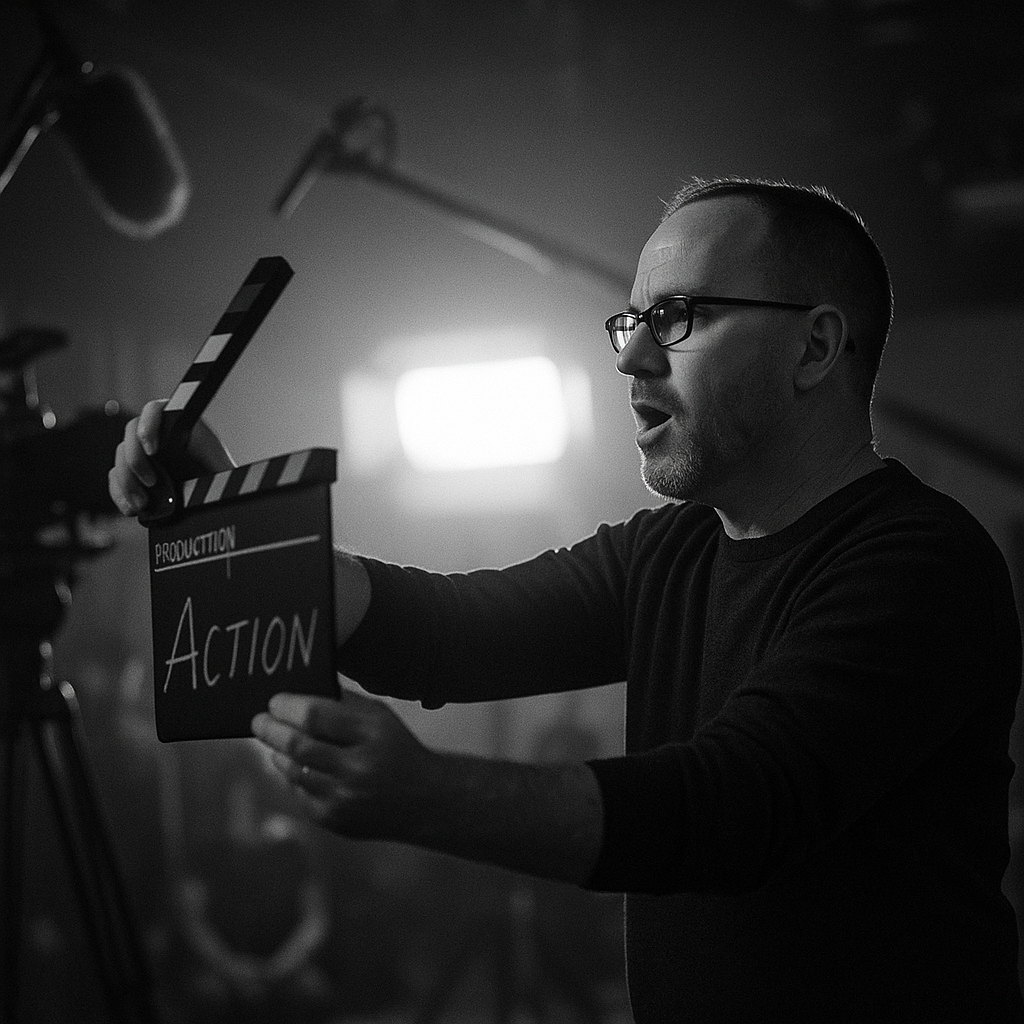
Time is the one thing we can’t create more of, but we can make far more of the time we already have. Most of us get stuck — overwhelmed, avoiding, needing control, chasing perfect. We lose time worrying, scrolling, or doing what feels good instead of what matters. But everything changes when we break the work down, get honest about what’s stopping us, and simply begin. When we stop avoiding, stop perfecting, stop trying to control the whole thing at once, we reclaim time.
The Time You Spend…
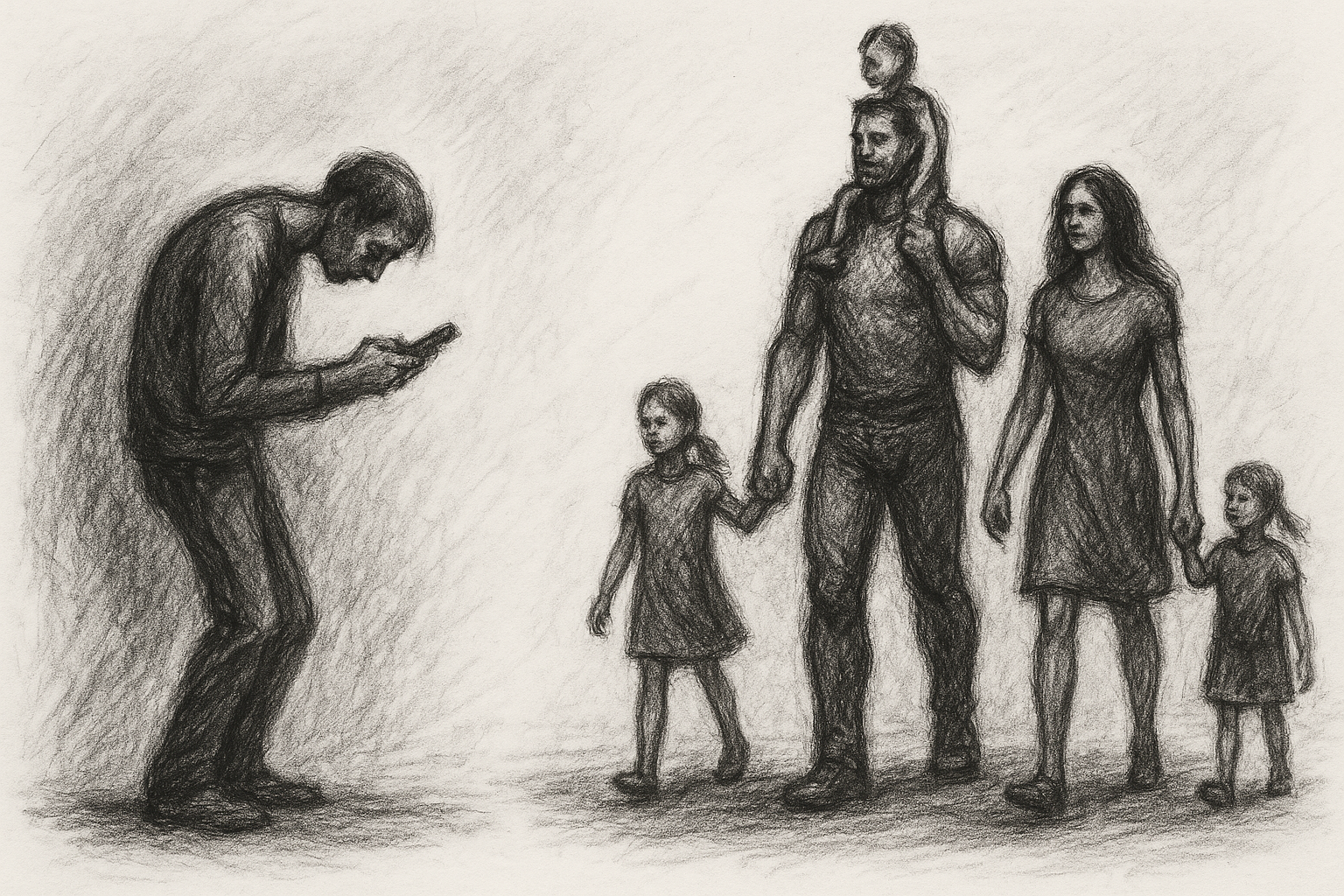
In the time you spend scrolling, reading comments, looking at things you do not need, watching shows you aren’t even sure you want to keep watching… in the time you spend avoiding, distracting, feeding fears, fighting imaginary arguments, perfecting the past, regretting the past, rehearsing a future that will never come… in the time you spend trying to control what doesn’t need controlled, making things your way, making things perfect, saying yes to things you don’t want to do just to please…
In all that time, you step off the path. In all that time, you lose the minutes that actually matter. In that same time, you could have lived.
Be Calm
Calm will not come find you. The world pulls at your attention from every direction, and the undone haunts your mind. But you always have your mind, and you can train it. Calm comes from choosing one-on-one focus with whatever or whoever is in front of you. When you dismiss the intrusions, stay present, and give your full attention to the moment, you can find stillness anywhere, at any time — even in the chaos.

Want Less
The wanting comes in waves. Want has an appetite that is never satisfied, it must feed. It convinces you that life will feel better once you get the next thing — the upgrade, the possession, the status hit. But wanting is endless. It pulls you out of the present and away from the people and moments that matter most.
The real work is slowing down long enough to see the lie, question the cost, and choose what actually gives your life meaning. Wanting less isn’t deprivation — it’s getting your time, energy, and presence back.

Choose Your Energy
Energy follows us everywhere. Into our thoughts. Into our actions. Into every conversation, every choice, every conflict. Most of the time, we don’t realize how much of our day is powered by fear — fear of failure, fear of judgment, fear of conflict, fear of not getting it right. But the moment we slow down, we see that energy is something we can choose. We can flip the script. We can shift fear into curiosity, resistance into exploration, conflict into understanding, obligation into creative action. A different experience is always available when we choose the energy we bring.
Forgiveness is for You
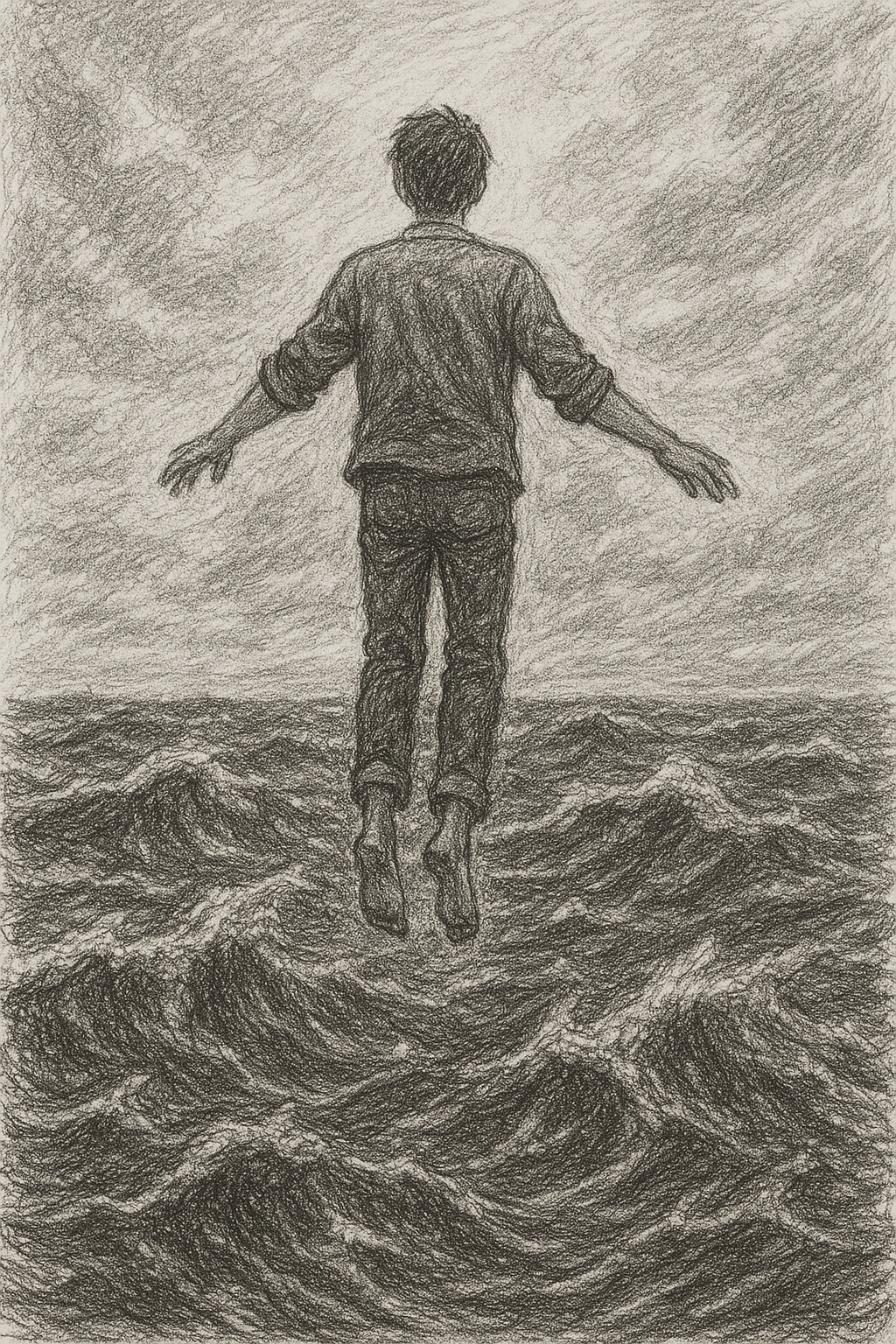
Forgiveness isn’t about excusing what happened — it’s about freeing yourself from what you keep carrying. We drag the past into the present and project it into the future, reliving the same emotions over and over. Forgiveness is the choice to stop letting old wounds control your time, your attention, your energy, and your relationships. It’s reclaiming the power you’ve been giving away and directing it somewhere better. It’s about you.
Guard the Gates
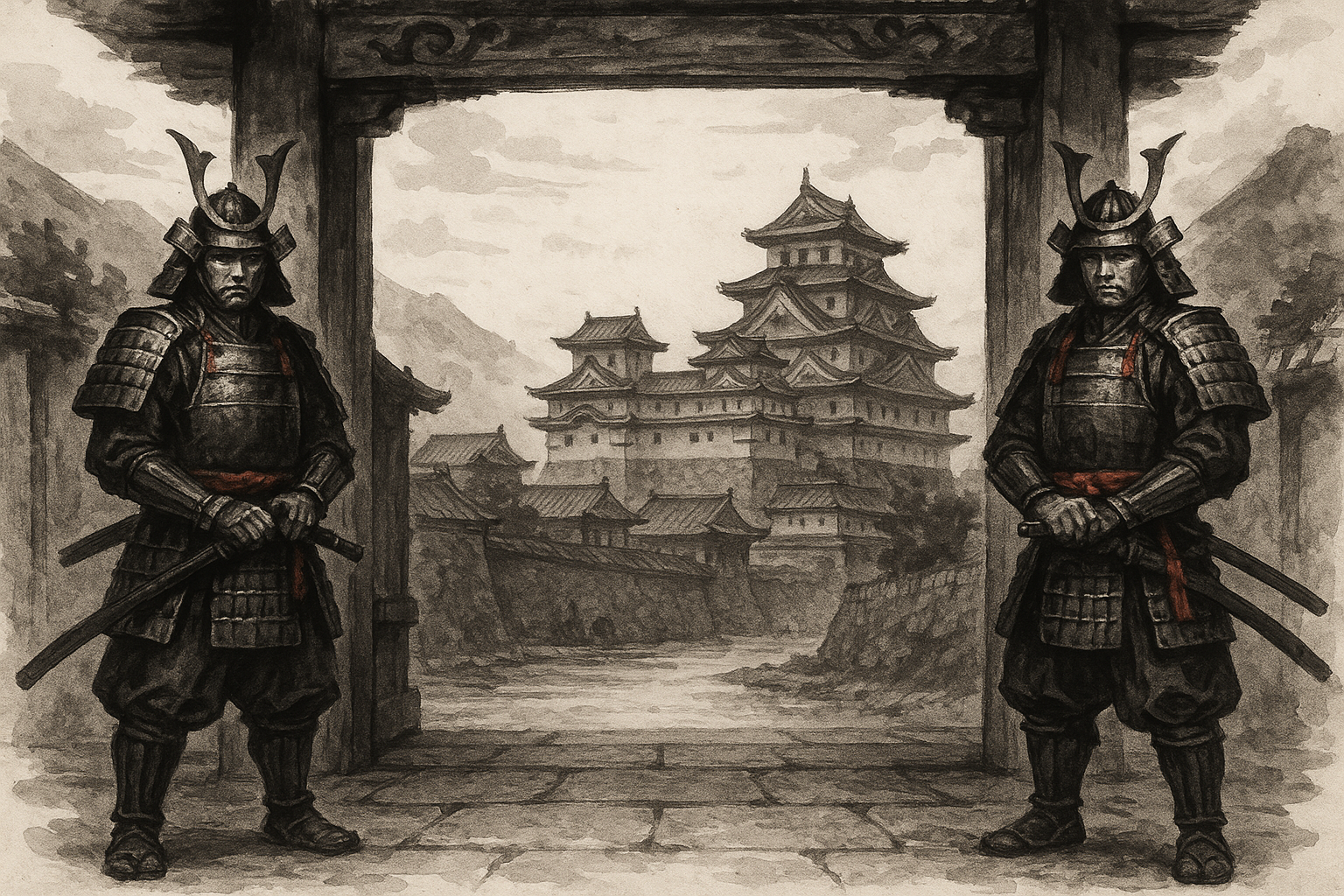
Guarding the gates is the practice of choosing what enters the empire of your mind. Most of us don’t realize how much information we allow in or how deeply it shapes our thoughts, moods, and identity. When we audit our inputs honestly, resistance will show up — but so will clarity. Good mind nutrition creates good thoughts, good habits, and a healthier inner life.

Not So Much
Shh… quiet the rush.
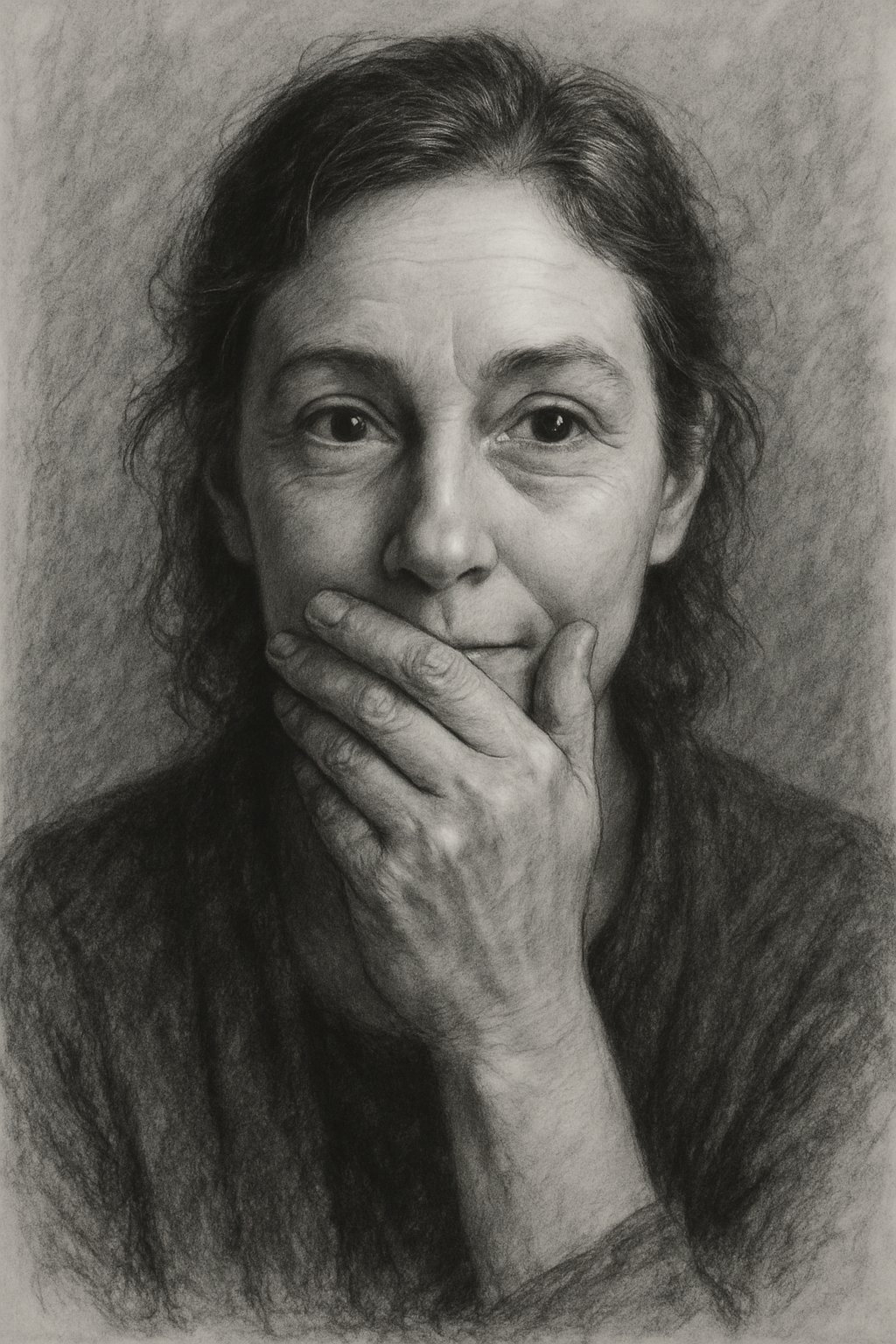
We assume, we fill in blanks, we move before we understand — and it costs us more than we notice. Slow it down. Listen first. Ask instead of assume. When we seek clarity before reaction, relationships strengthen, energy returns, and the path forward actually makes sense.
Shhh…
Shh… quiet the rush.
We assume, we fill in blanks, we move before we understand — and it costs us more than we notice. Slow it down. Listen first. Ask instead of assume. When we seek clarity before reaction, relationships strengthen, energy returns, and the path forward actually makes sense.
Get Out of Your Head
Most of us live in the past or the future — replaying regrets, worrying over what-ifs, missing the only place life happens: now. Return to presence, break autopilot, and use the body to sharpen focus, improve relationships, and reclaim your attention.

Thanksgiving Hangover
Excerpt
It’s easy to miss what matters, even on Thanksgiving. The noise, the food, the schedule — it all sweeps us into urgency. We say thanks for the big things and overlook the tiny miracles that actually hold us together. Today, in this Thanksgiving hangover, I’m choosing gratitude for the little things — breath in and breath out, toes and knees, warmth, clean water, questions from curious kids, the feel of a hug. The stuff that usually goes unnoticed.
Thanksgiving
Thanksgiving calls us to slow down, notice, and actually be present. The holiday rush pulls us into urgency, noise, opinions, and the need to be right — but gratitude only exists in awareness. When we pay attention to the people, the sounds, the food, the pause — we return to what matters. Today, give thanks by noticing.

Keep Digging
Some days I catch myself wishing I was somewhere else, doing something else, with someone else—but the ditch still needs to be dug. That moment of friction exposes me, shows me whether I’m choosing to lead or choosing to complain. The work becomes the practice: presence over escape, discipline over irritation, emotional control when it would be easier to drift. Self-mastery isn’t built in comfort—it’s built here, shovel in hand, doing the job anyway.

Trick or Treat
Trick or Treat.
What mask do you put on when things don’t go as planned?
What costume do you wear when there’s conflict?
Do these versions of you protect, or poison, the people in your life?
Are they who you really are — or just who you’ve become without noticing?

