


The Hurried Explorer
The hurried explorer rushes. It skips the joy and utility of exploration and calls it efficiency. It does not consult the map, does not see traffic delays, road closures, or alternate paths, and takes the familiar route regardless of feedback or warning. In relationships, it pushes past curiosity and depth, others do not feel heard, and their ideas feel unimportant. In performance, fast movement creates the illusion of effectiveness, but skipping exploration misses root causes, acts without enough information, and often solves the wrong problem. Nothing kills performance faster than backtracking. Shortcuts create do-overs. When we stop rushing, more becomes visible. We see more angles, alternate paths, and choose better ones. Connection becomes possible. Listening happens. Trust builds. Performance improves not by moving faster, but by gathering more and choosing better. Relationships deepen not by fixing quickly, but by understanding, being interested, caring. CHEAT CODE: STEP BACK → NOTICE FROM AFAR → EXPLORE → CHOOSE
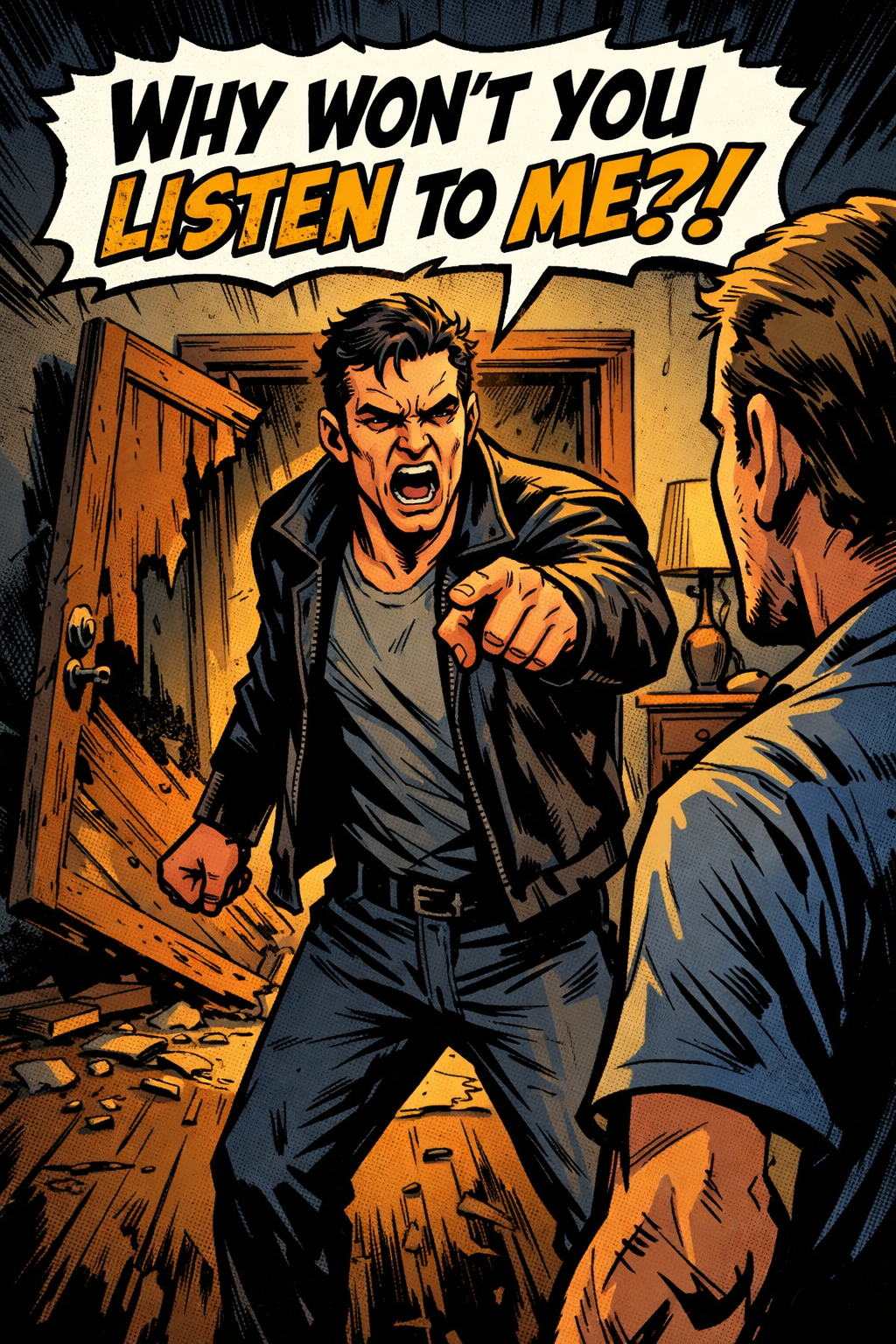
Knock Knock
The restless likes to hurry. It keeps moving, solving, pushing forward. That pace is easy to feel in the body, and because we can feel it, we can learn to slow it down. Restless is useful, but it is not wise.
When we rush past empathy, we leave the keys at the door and kick it down instead, then expect a rational conversation and cooperation on the other side. The result is predictable. People do not feel heard, understood, or cared for. We run in circles, argue positions, misallocate time, and burn emotional capital trying to recover what restlessness already spent.
Empathy is not agreement. It is not condoning. It is not weakness. It is understanding. And understanding is the fastest path to influence, progress, and clean action.
Recognize the pace.
Slow down.
Listen until understood.
Then act.

Rest the Restless
We’ve always been restless.
Pulled from one thing to the next.
Busy, urgent, distracted, everywhere and nowhere at once.
Restless energy can haunt us, or it can be harnessed.
Left unchecked, it robs us of presence and depth.
Aimed, it becomes focus.
Self-mastery is learning to notice the pull sooner, separate energy from urgency, and redirect that same drive into being fully present, where we are, who we’re with, and what we’re doing.
Restlessness doesn’t disappear.
It gets trained.
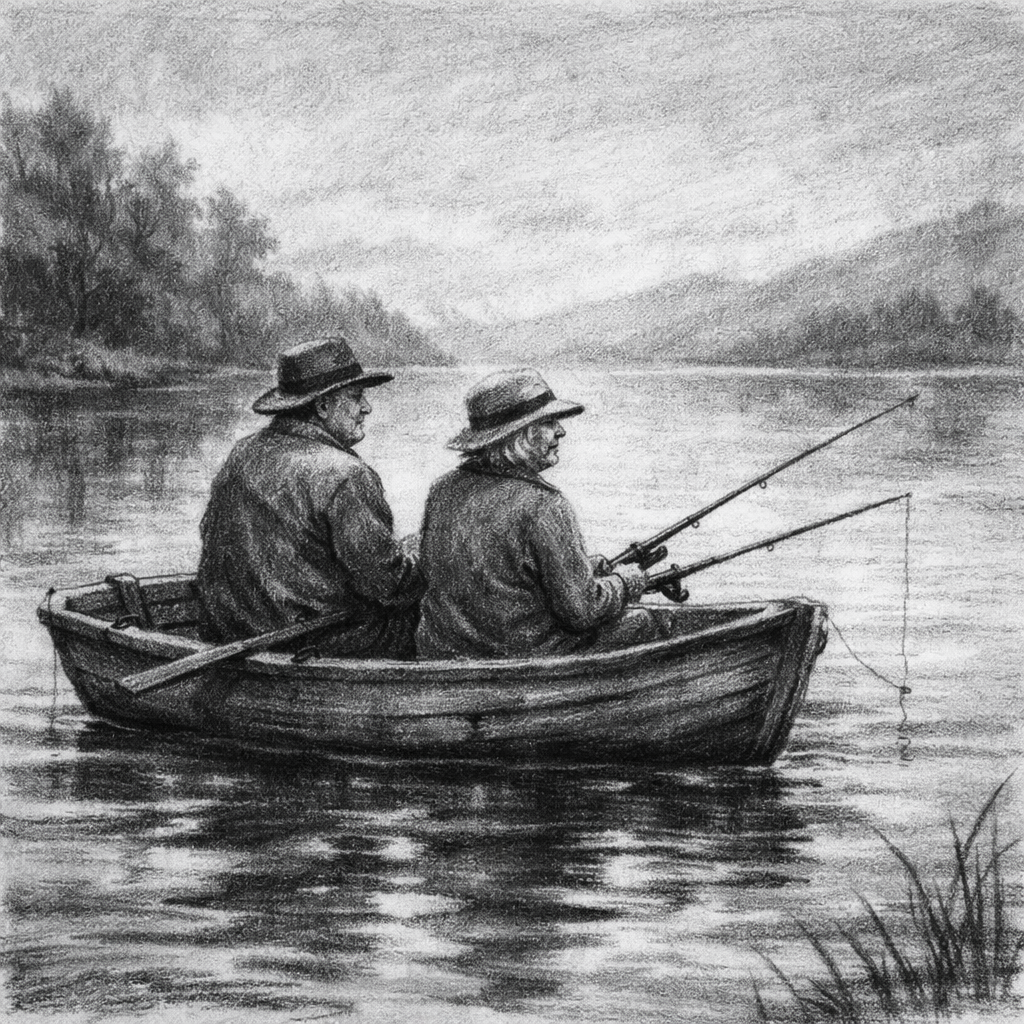
Pushy
We push because we see the solution.
We push because it feels obvious.
We push because we want to help, fix, move things forward.
And we get pushed back.
Not because the idea is wrong, but because it isn’t owned.
The human mind wants agency.
It wants timing.
It wants to feel included in the arrival.
The work is not pushing harder.
It’s releasing control.
Trusting readiness.
Creating space without withdrawing.
A good idea doesn’t need force.
It needs room to land.
The discipline to wait.
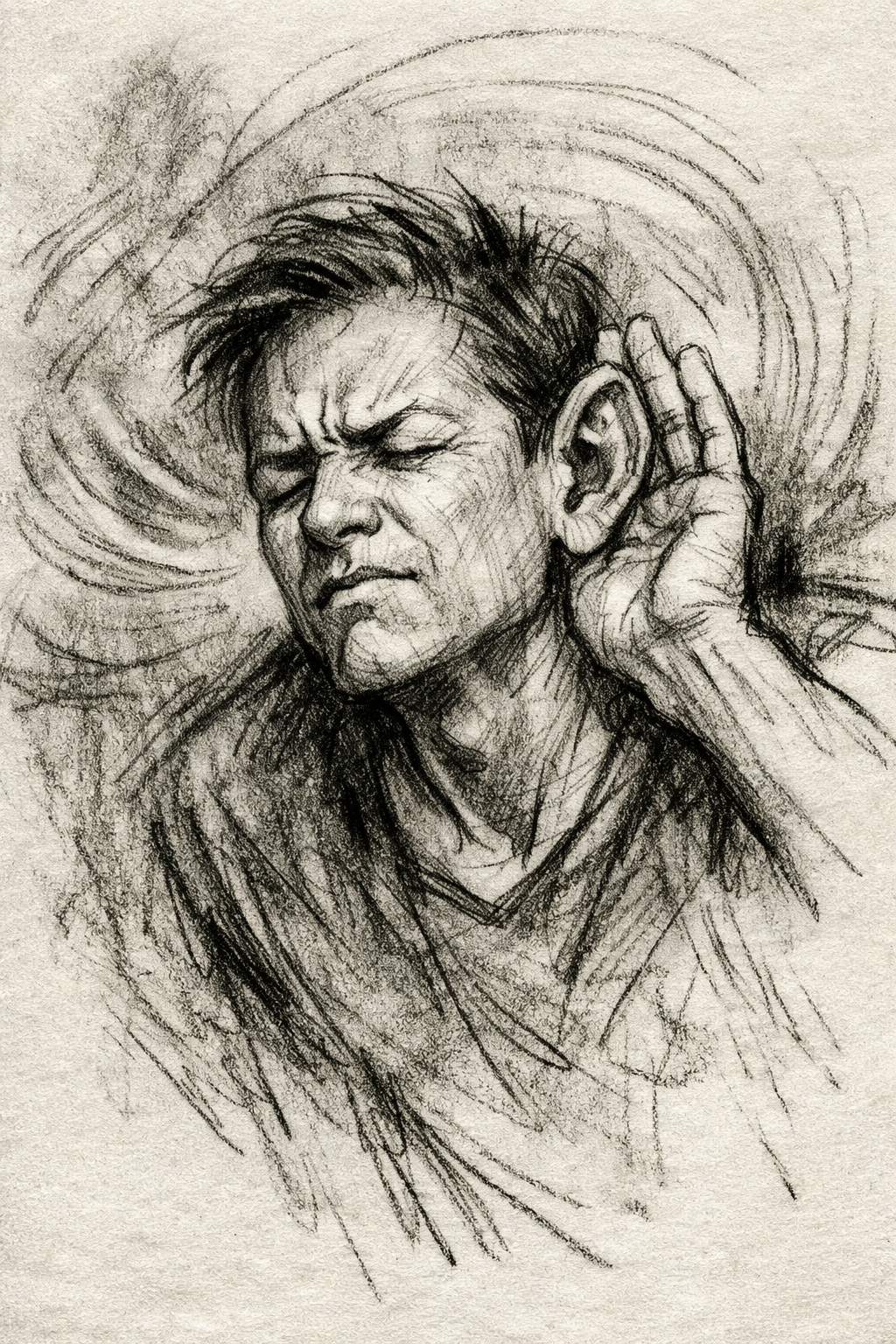
Hear Here!!
We forget our senses until we need them.
We run on what is directly in front of us, what we see, what we hear, what we touch, what we taste.
What we rarely do is recruit our senses deliberately.
Hearing can be used as a reset.
A way out of the head and back into the body.
A way to create space and regain clarity before action, conflict, decisions, or judgment.
At any moment, we can pause and listen.
Into the sounds around us.
Letting everything else go.
This is not passive.
It is a practiced tool, one that restores clarity when it matters most.
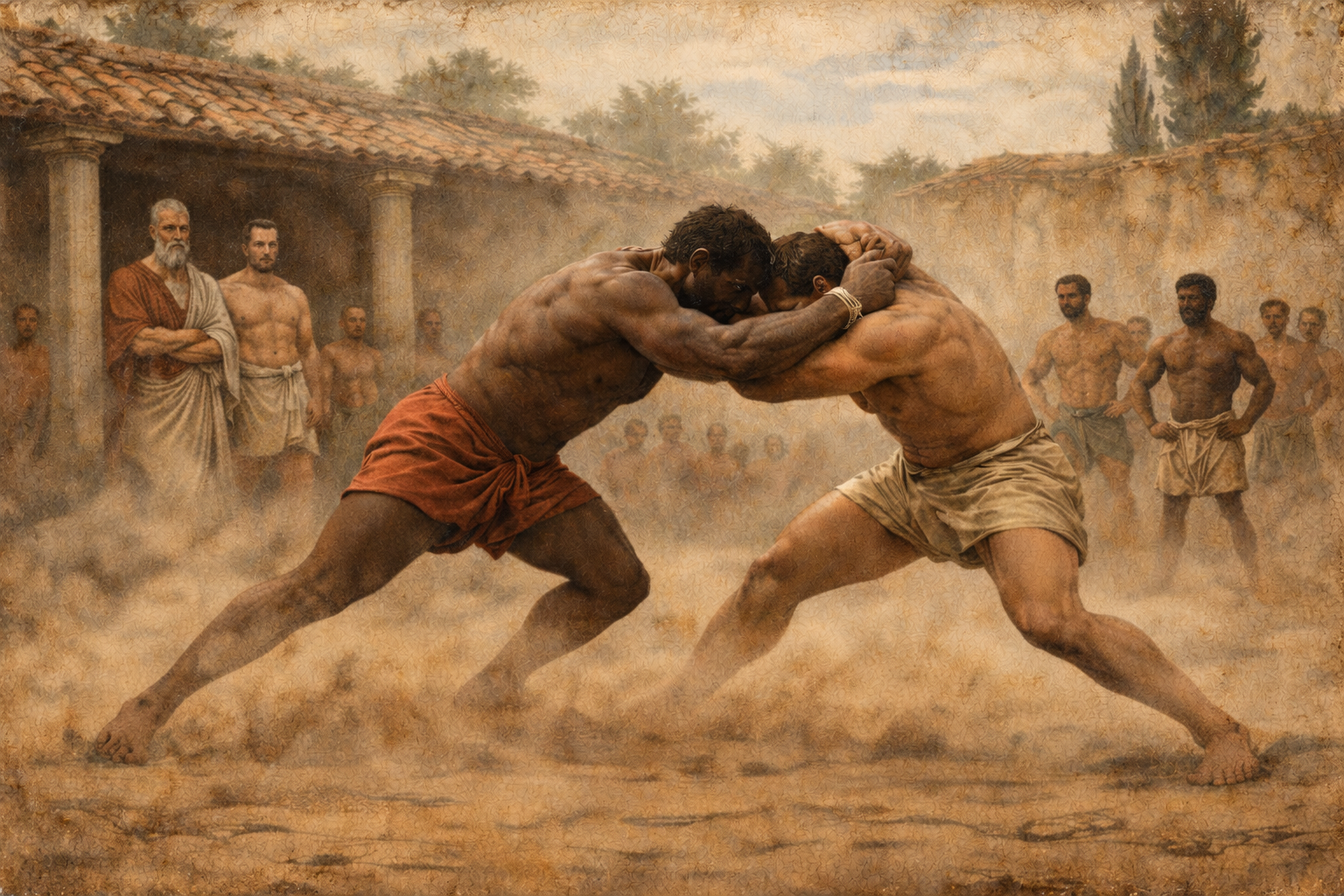
Roll With It
Life doesn’t go as planned. It takes longer. People sabotage. Easy things become difficult. Friction shows up everywhere. Fighting reality doesn’t improve focus, performance, or relationships. It drains energy and creates unnecessary damage. Rolling with it isn’t passive. It’s a practiced skill. Like combat, it preserves momentum, focus, and energy while keeping you in the fight. When setbacks, conflict, and loss arrive, the work is the same: stay engaged with what’s in front of you, conserve energy, and respond instead of react. The alternative creates more harm than the obstacle itself.
The Time In Between
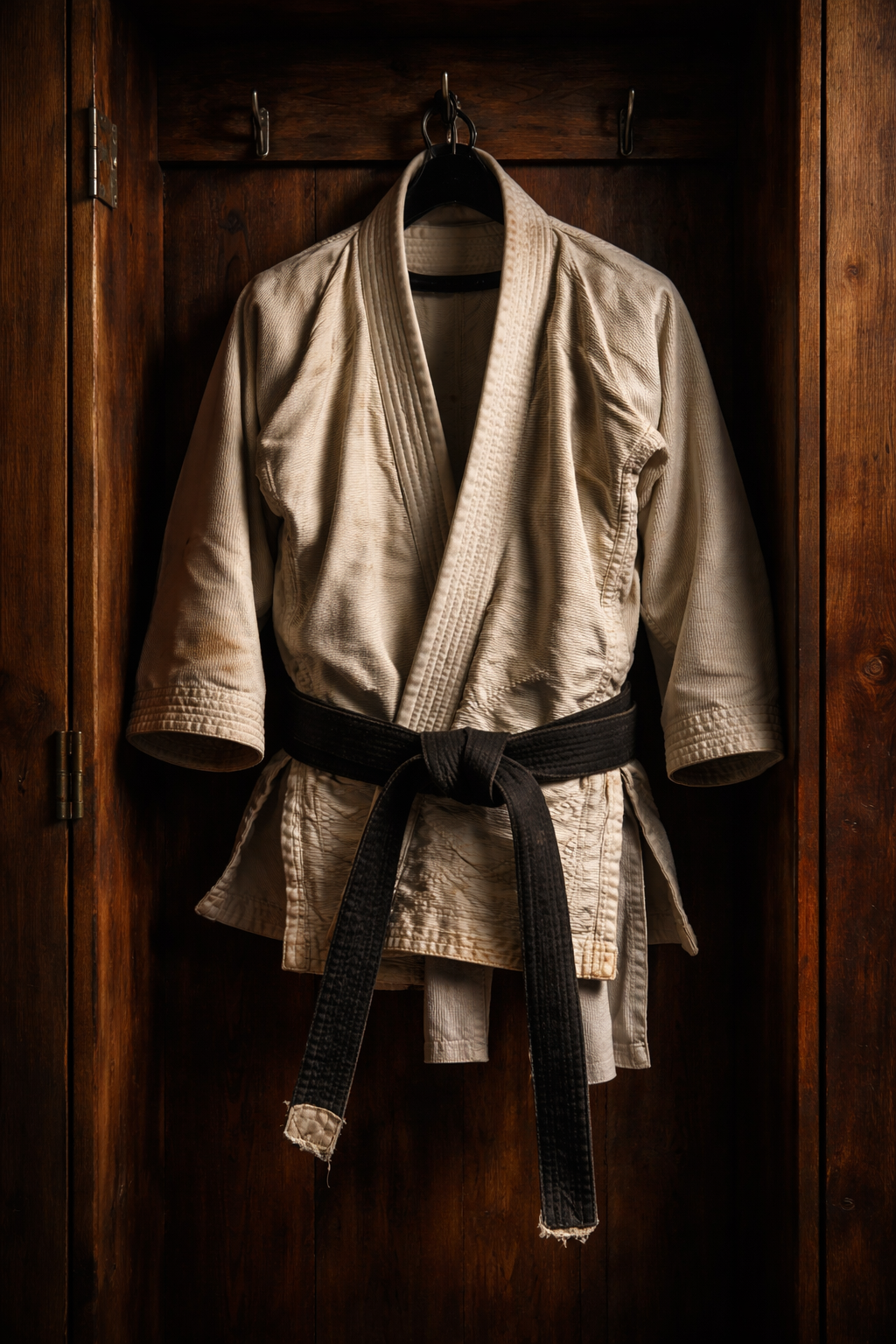
There is always a time in between.
Between starting and mastering.
Between intention and capability.
It’s where frustration lives.
Irritation.
Setbacks.
Avoidance.
We know we’ll be bad at first.
We know there is discomfort ahead.
And we know, from every past success, that the only way through is to keep going.
The time in between is uncomfortable, but it is not wasted.
It is where skills are forged.
Where patience is built.
Where knowledge is stacked through repetition.
No one skips the process.
Masters are made in the middle.
Sick and Tired
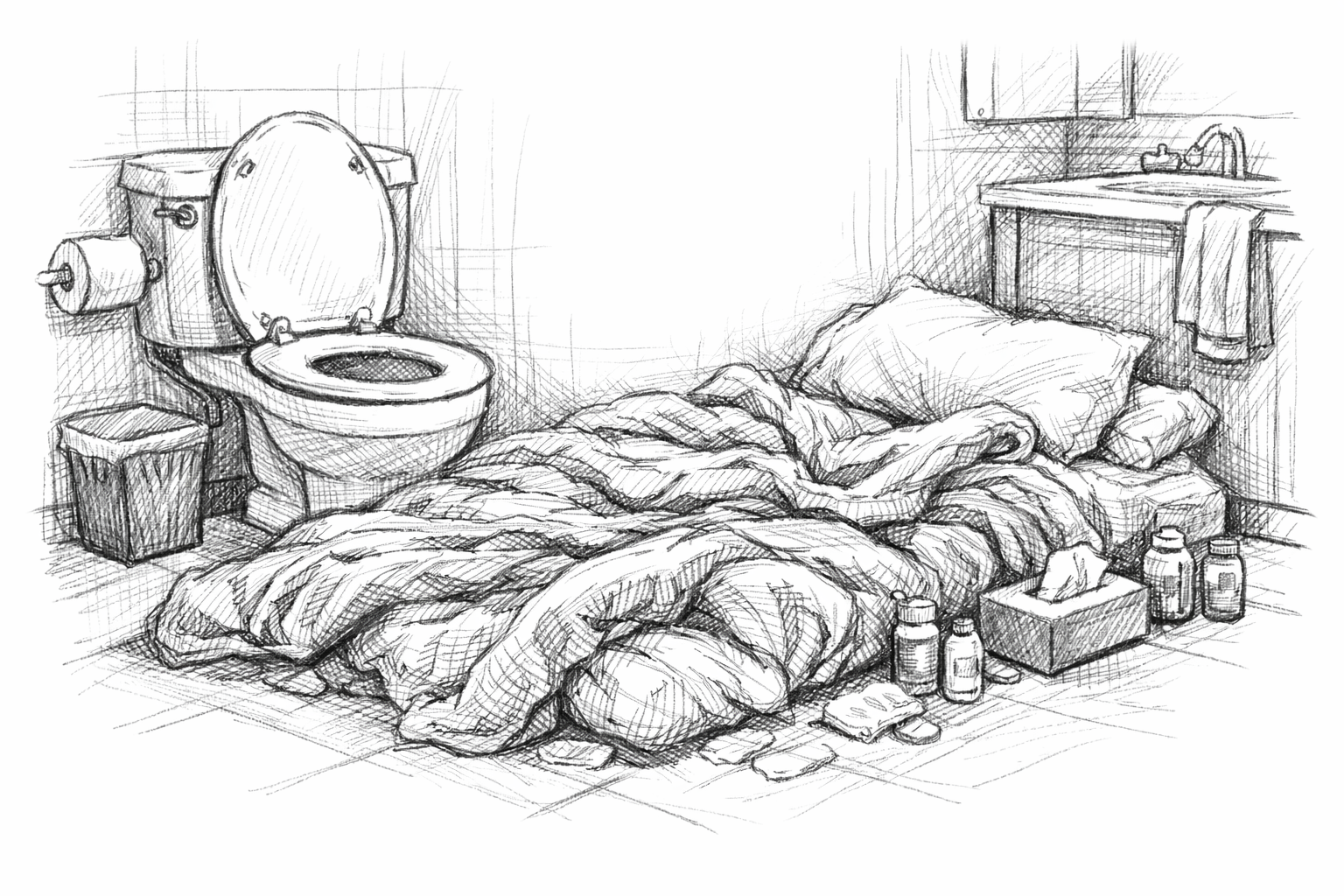
Sick and tired strips everything down.
No workouts.
No productivity.
No movement forward.
Just a body at rest.
In that forced stillness, there is a reminder.
Of mornings that feel good.
Of energy that is usually there.
Of a body that works more often than it doesn’t.
Sickness becomes a pause.
A purge.
A fast.
A chance to notice what is usually taken for granted.
Even here, the body is doing the work.
Healing.

The Energy of Words
Words matter. Not just for meaning, but for energy. I can’t. I have to. This is annoying. That language brings resistance into the moment, drains focus, and makes everything harder than it needs to be. Same situation, different words, different outcome. I can. I get to. I’m curious. Every word sets the tone for how we show up, how we perform, and how others experience us. Words don’t just describe reality. They shape it.

Anticipate Assumptions
Assumptions are necessary.
They save energy.
They keep us moving.
Until things get complex.
Conflict enters.
Problems require teams.
That’s where assumptions fail.
We assume intent.
Meaning.
Position.
We hate when others do this to us.
And yet, we do it anyway.
The opportunity is to anticipate our assumptions.
Slow down.
Get curious.
Explore before acting.
When we do, we solve what actually matters.
We reduce stress.
We build trust.
We perform better.
Anticipate your assumptions.

Remember Why We’re Here
We forget why we’re here because distraction feels productive.
Urgent things call, comfort calls louder, and we move from one task to the next feeling accomplished while falling behind.
The important things don’t disappear.
They wait.
Health falters.
Conflict surfaces.
What we avoid grows heavier.
We will be reminded, either by pressure or by choice.
We can wait for stress to force clarity, or we can notice intentionally.
Each morning.
Throughout the day.
We can choose presence, fewer priorities, and time well spent.
We can remember why we’re here before life reminds us the hard way.

Start Noticing
We know we’re on autopilot most of the time.
And we know where that leads us.
New year, new promises.
Yet things feel the same because they are the same.
We’re still running the same autopilot.
Bumping into the same problems.
Having the same conflicts.
Wasting time on the same things.
Our autopilot is the problem.
Its navigation was set years ago and never corrected.
We haven’t noticed how often we’re off course.
If we can notice the turbulence and bad landings, we can take control.
We can interrupt the autopilot.
We can rewrite it.
Action becomes habit.
Habit becomes automatic behavior.
It all starts with noticing.

Never Stop Starting
We start. We stick with it… for a little while. Then we miss a day. Two. A week. A month. And before we know it, we’re making the same promise again. We stop not because it’s hard, but because we stop starting. Real change doesn’t come from motivation or perfect conditions. It comes from starting small, returning often, and beginning again. One set. One lap. Five minutes. Every day, start. Never stop starting.
Start
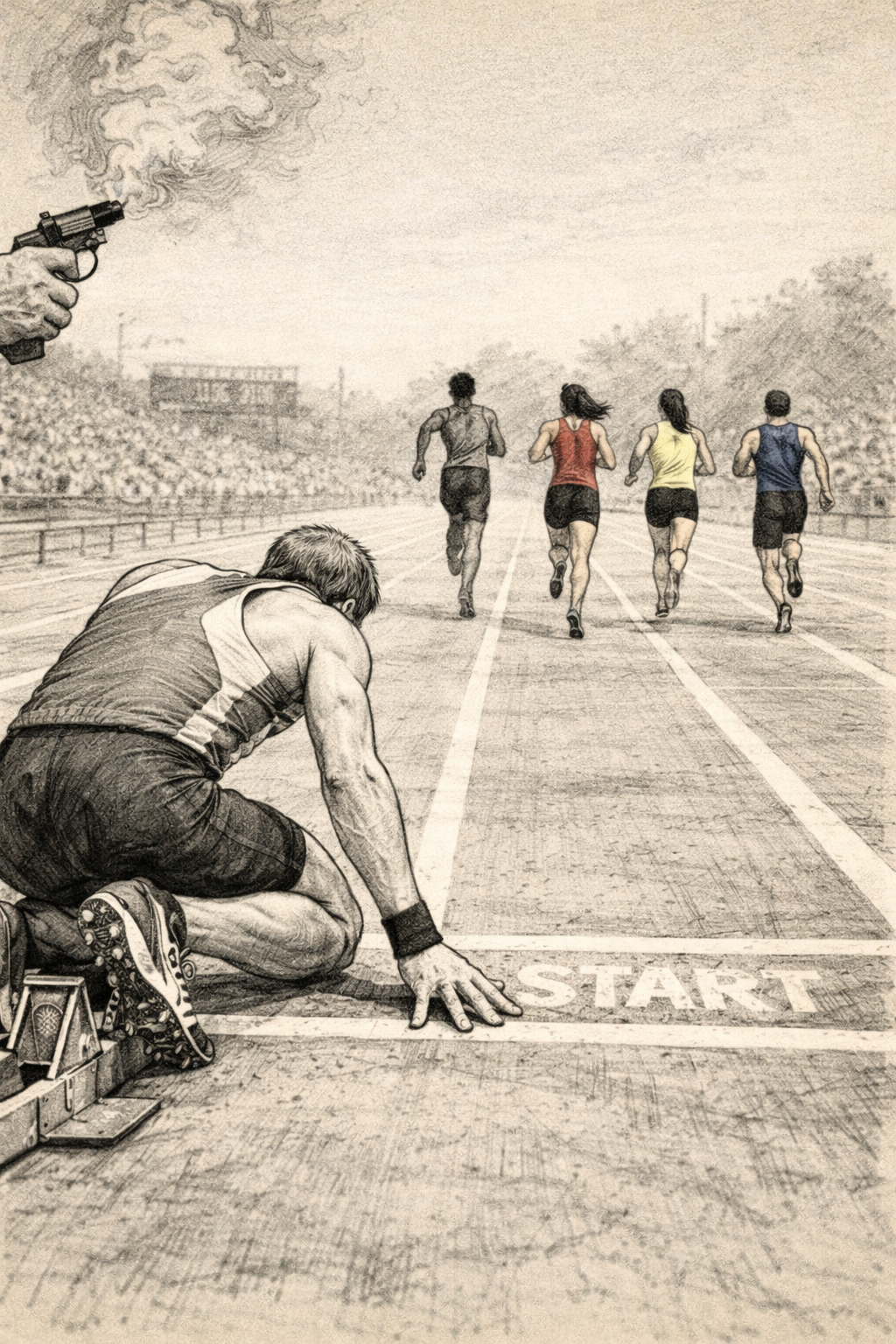
We made a lot of promises last night, all over the world. Promises to work out, eat better, make amends, live differently, start the project, build the business. And now we wait. We wait for more time, more resources, more clarity, more confidence. We wait for others to show up. We wait for conditions to be right. We put rules around starting, we try to control outcomes before we’ve taken action. The cost is momentum. The cost is trust in ourselves. The trick is we just need to start. Things are never going to be perfect. We’re never going to have all the time, resources, or knowledge. People might not show up, but we can. Start where you are. Remove the conditions.

Think Small to Go Big
This is the year because we’ll look past the grand and toward the simple. We’ll stop chasing motivation and hope, and instead focus on systems and processes. We’ll notice where we are, often. We’ll break things down into small, achievable tasks and recognize that things get done when they are easy to do. Extraordinary outcomes are created by ordinary actions repeated consistently over time. This is the year to think small and go big.
Big Things
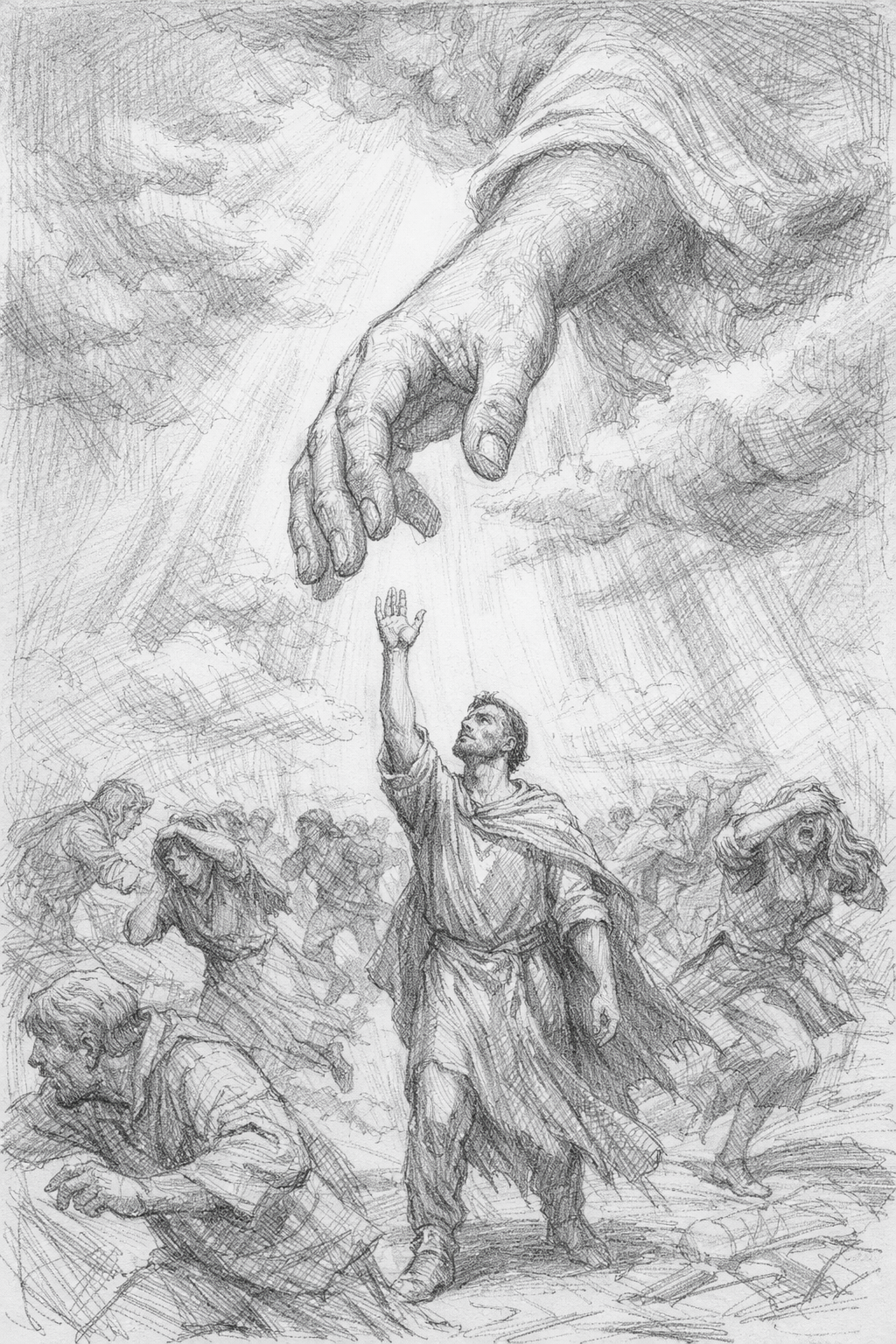
Big things don’t happen all that often. When they do, it can be difficult to calibrate, to respond appropriately, to be the person who acts the right way and says the things we ought to say. Because we can’t practice big things very often, the small moments become our training ground. The big thing can crush us, or it can become the moment we take a big leap.

Take Notice
Life passes in a blur. We wake up, rush, sleep, and repeat. In our drive for efficiency, we stop noticing. We lump life into categories and miss the rich detail all around us, the uniqueness of a tree’s bark, the quiet work of ants underfoot, the subtle changes in those we love. By slowing down and noticing what is already here, we reclaim presence, reconnect with beauty, and free ourselves from the traps of automatic thought.

Trivial Pursuits
We pursue the trivial.
We chase things that don’t matter and spend time on inconsequential tasks. We argue to be right, demand perfection, and try to control too much. It feels productive. It feels responsible. But it scatters our attention, drains energy, erodes trust, and pulls us away from what is actually important.

Find the Way Back
We feel the weight and the pressure. We feel the creep of frustration, irritation, and anger, and we know the fuse is shorter than it should be. Because we can feel it, see it, and recognize it, we can stop it. Create distance, let the temperature cool, then return clear and grounded to find what’s needed, help, skills, knowledge, patience, or a smaller next action. Find the way back.

Before/After
The presents are unwrapped, but the real question is what we are willing to shed. The day after Christmas is an invitation to release the shell we’ve built, stop clinging to who we’ve been, and begin again with intention, presence, and discipline.