


Journal/Daily Practice
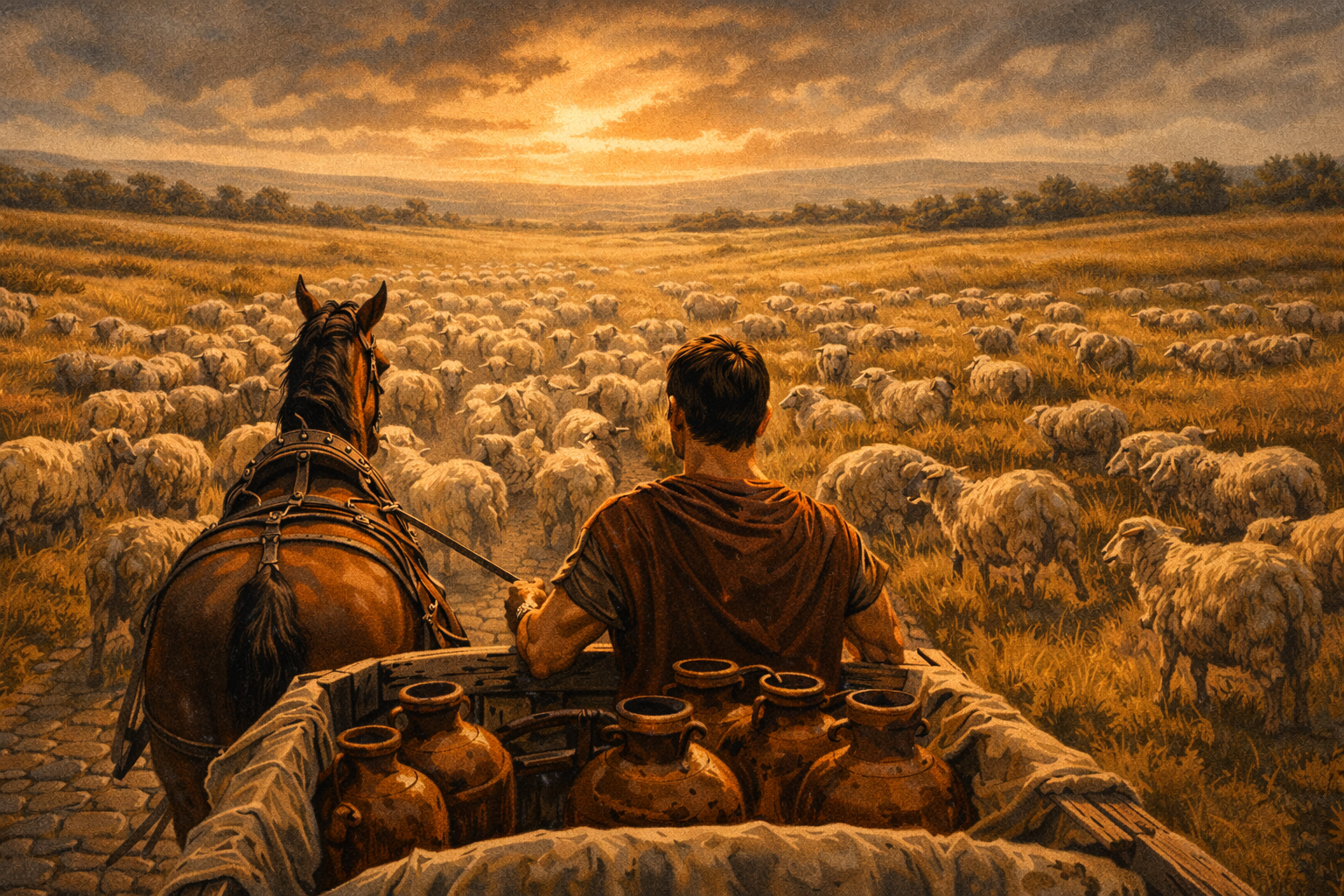
What’s The Worst That Can Happen?
We worry, stress, create scenarios, and project into the future. We imagine all the ways things could go wrong, from projects failing and relationships ending to traffic and small daily decisions. Most of what we fear is outside our control. But even the worst-case scenario can become knowledge, skill, or opportunity. When we play it out fully and look for the gift, stress turns into strength.
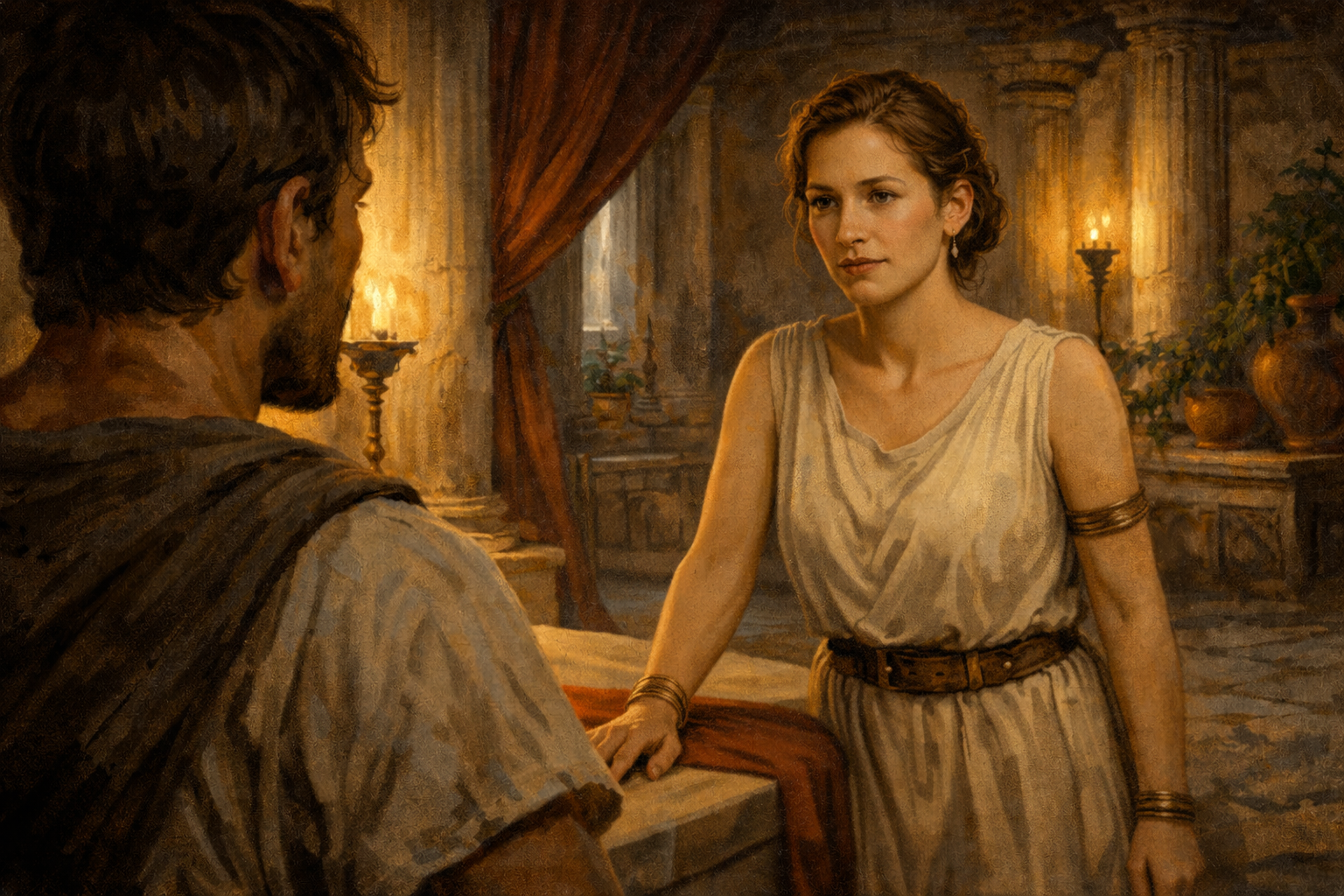
I’ve Got Nothing
We always have something to contribute. An opinion. A solution. A better way to do it. We think we are helping, expediting, providing insight. In reality, we are often just needing to be right and in control. By having nothing to offer but a bent ear, we give others the space to think, struggle, and grow. When they ask, our guidance is welcomed. By having nothing, we provide exactly what is needed.
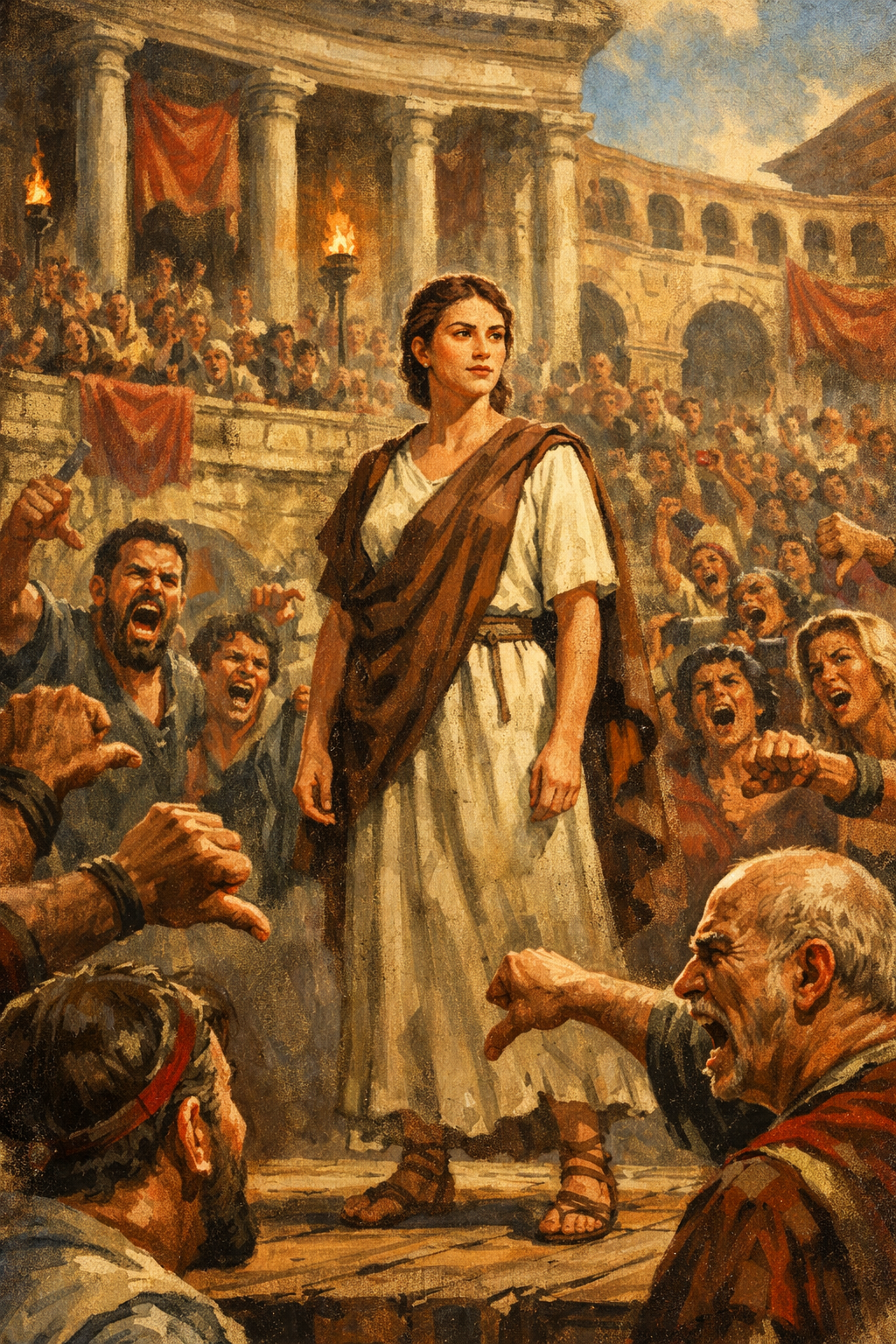
You Can’t Make Me
You Can’t Make Me examines the belief that others make us angry, insane, or out of control.
It challenges the idea that people pull our strings and asks whether we are puppets to their will.
The entry reinforces that no one can make us feel or act a certain way unless we allow it.
It centers on ownership of thought, emotion, and response, planning for the trigger, sensing the wave, and pausing before action.

They’re Not Feeling The Good
They’re Not Feeling The Good examines how appreciation goes unspoken in our closest relationships and how negativity quietly outweighs acknowledgment. It explores our wiring toward criticism, the three to one ratio humans need to offset negative input, and how small acknowledgments, gratitude, and spoken value rebuild connection at home and at work.
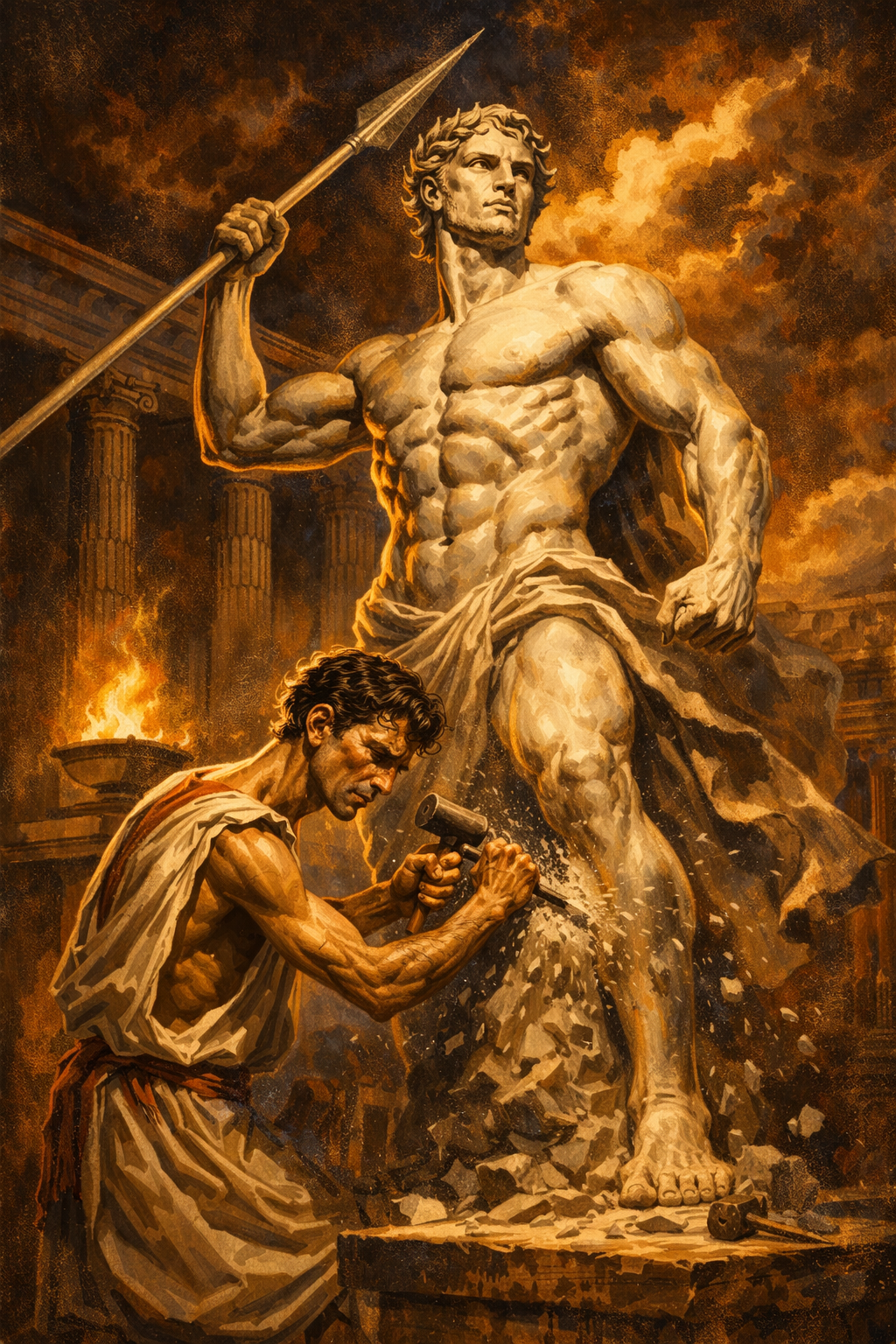
You’re Not Good At A Lot Of Things
You’re Not Good At A Lot Of Things examines how comparison distorts reality. We see what others are good at and measure ourselves against a narrow slice of their strengths, while ignoring the work, struggle, and deficiencies we never see. The journal explores why no one is good at everything, how skills are built quietly over time, and how attention is wasted when focused on what we lack. The work redirects energy back to what we already do well, or toward deliberately building new skills, accepting that being bad is part of the process.
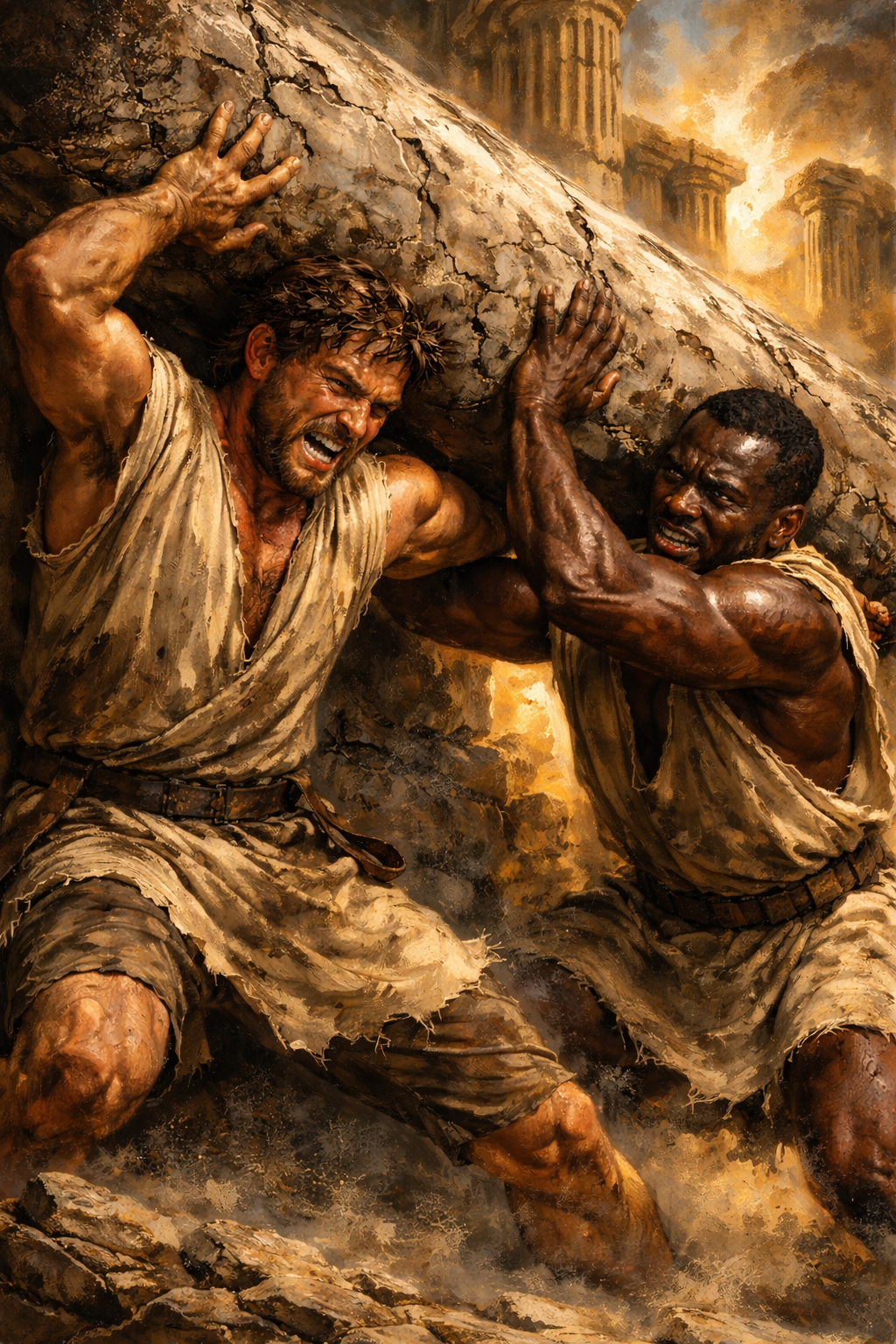
Thought It Would Help, But It Didn’t
Thought It Would Help, But It Didn’t explores how small frustrations quietly accumulate.
How tasks, projects, relationships, and constant input begin to stack weight.
How emotions slowly take the controls.
And how venting and complaining feel relieving, but never restore control.
It examines why awareness matters before overload.
Why reminders, internal and external, are necessary.
And how clarity returns when attention is reclaimed and energy is redirected back to the work.
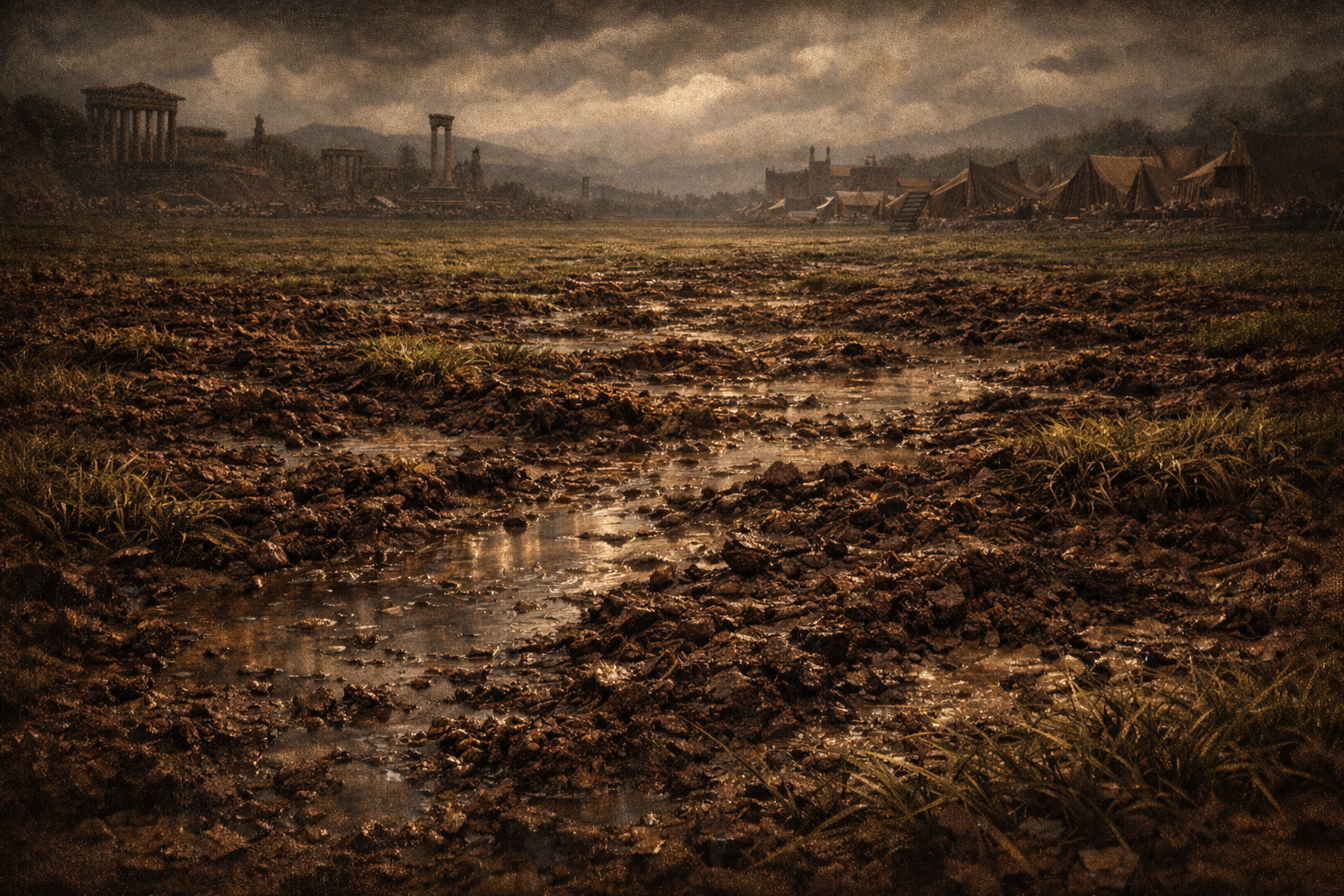
Start Again
Starting Over
Explores the day after the loss
When the game is over
The result is final
And the weight threatens to linger.
Winners and losers face the same truth
The clock resets
Work remains.
Recovery time matter
Between plays
Between mistakes
Between emotions
Between seasons.
The greats do not stay down
They start over

Try Not Having One
Try Not Having One looks at how often misery is self created
Not by people
Not by events
Not by circumstances
But by the opinions we place on what we experience
It examines how judgment adds friction
How assumptions harden irritation
And how believing we must have an opinion about everything pulls us away from what is actually happening
It points back to a simpler discipline
Seeing people as they are
Events as they unfold
Circumstances as they stand
And how releasing opinion removes the weight we add ourselves
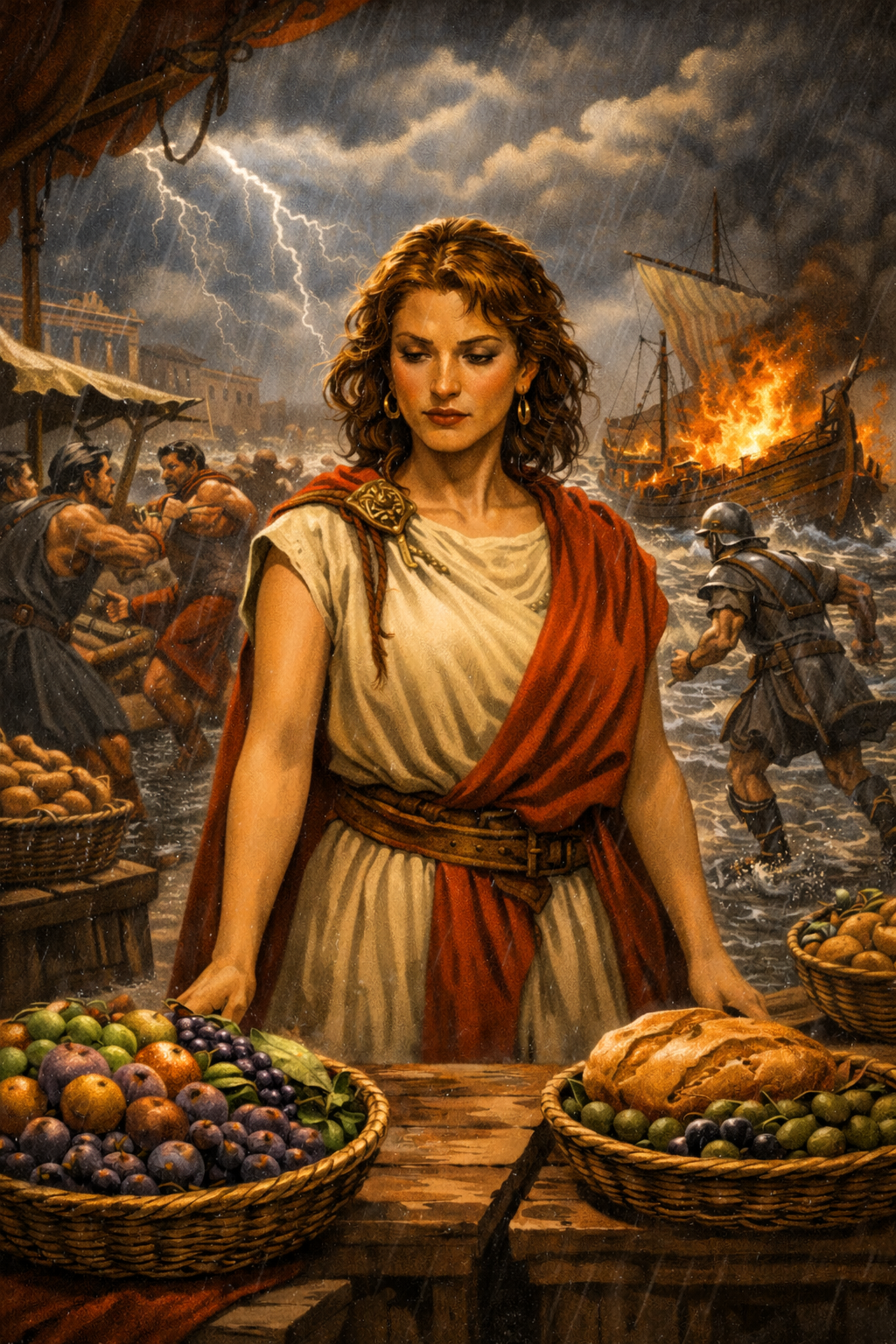
Only Two Choices On The Menu Today
Only Two Choices On The Menu Today explores how little control we have over circumstances and how much control we have over response. It examines frustration complaint acceptance and conversion and offers a simple daily framework for choosing peace or progress instead of staying stuck.
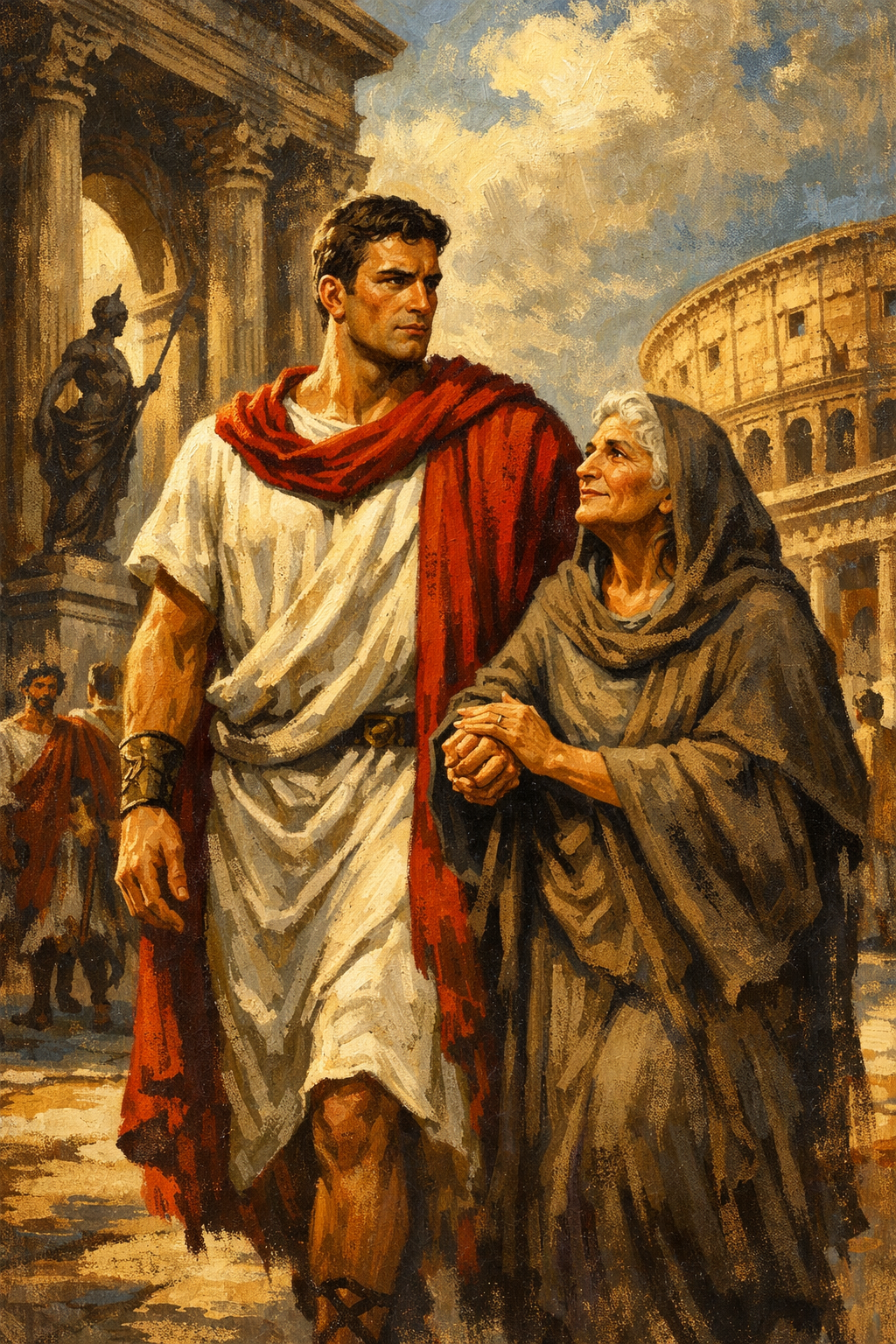
Give to Get
Give to Get explores the trap of living for acquisition
How getting becomes the condition for happiness
And why it never delivers
It examines the endless cycle of get get get
And the quiet dissatisfaction that follows
The journal flips the frame
From getting to giving
Showing how service creates connection
Contribution creates meaning
And generosity restores happiness without conditions

Get Back In
Get Back In explores what happens after the miss
The stumble
The fall
The failure
It looks at why staying down costs more than the setback itself
How the game keeps moving
With or without us
It reminds us that resilience is not toughness
It is recovery
Getting back in
Recalibrating
Re engaging
And staying useful

Perfecting Not Perfection
Perfecting Not Perfection looks at getting better by holding on to less. It examines accumulation overload and the discipline of trading or delegating instead of adding so improvement can continue as life changes.

Get Back At It
Get Back At It explores what happens after the stall
Setbacks sickness loss of motivation and the pull toward comfort
How quickly minutes turn into days and days into years
And how forward movement always returns to the same truth
One foot in front of the other
Again and again
Regardless of conditions
The work is not heroic
It is consistent
Show up after the stall
Start again
Keep goin

You Feelin’ It?
We live in our heads
Thinking planning forecasting worrying
Most stress is self inflicted
Presence returns when we slow the body
Feel sensation
And reconnect through breath and movement

Avoiding Action
Avoiding action looks harmless.
Delay.
Comfort.
Familiarity.
But nothing resolves itself.
The conflict stays.
The project remains unfinished.
The dream stays a dream.
The Avoider is not defeated by thinking, planning, or motivation.
It is defeated by starting.
One small action.
Without promise.
Without judgment.
Movement replaces resistance.

Avoiding the Way
The Avoider would have us skip what is hard and move toward what feels easier.
It steers us to the urgent and away from what matters.
What we avoid does not disappear.
It grows.
Living in the background is constant, unsettled stress.
The Avoider promises relief.
It delivers delay.
And robs us of resolution and fulfillment.
When we recognize its voice, its lies, and its patterns, we regain control.
By separating the urgent from the important, we can do exactly the opposite of what avoidance demands.
That is where resolution begins.
Avoiding a Different Way
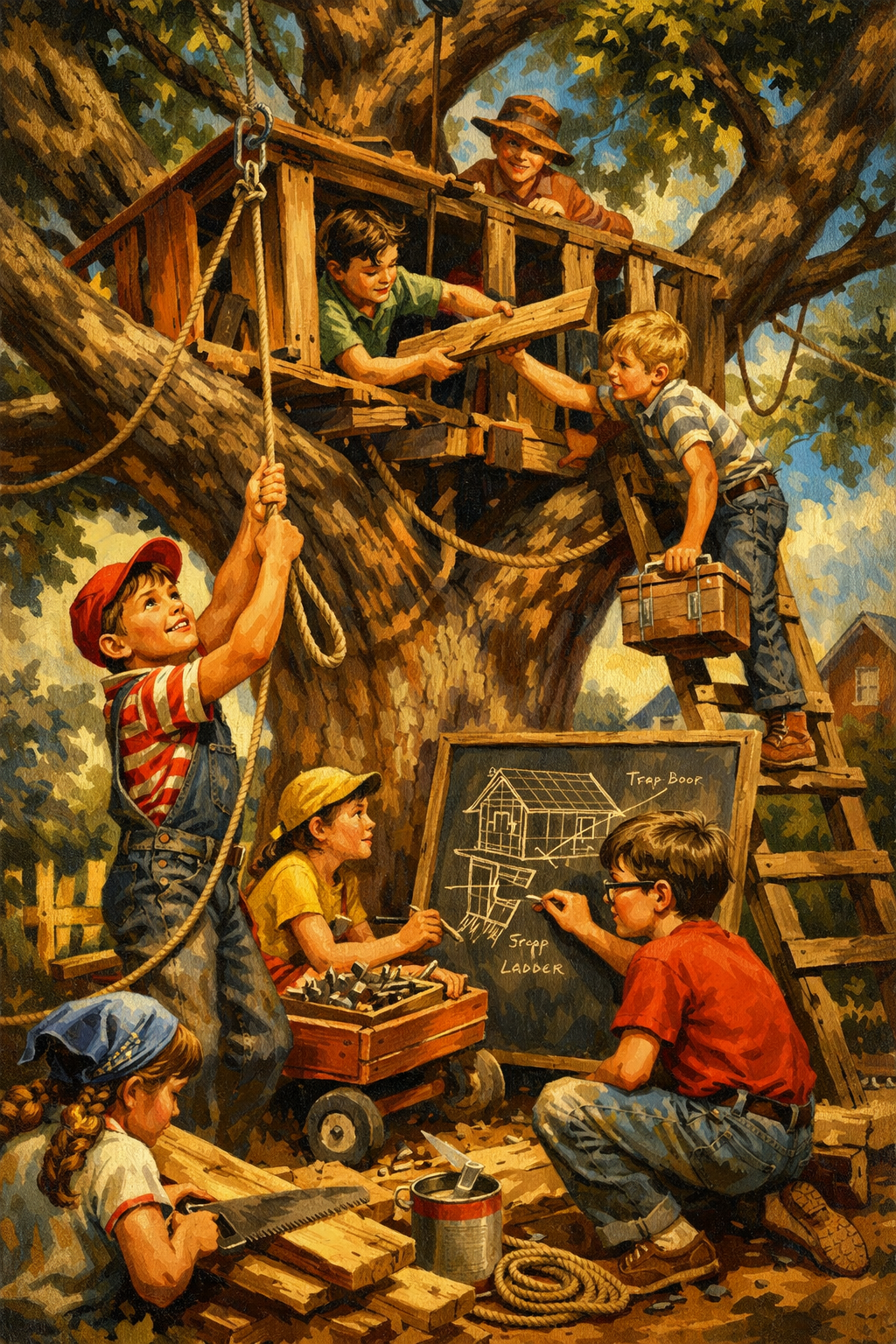
Avoid doing it differently.
Don’t be creative.
We tell ourselves we already have it figured out.
The old way worked.
Trying something new takes time, patience, frustration, and failure.
The Avoider promises efficiency, but delivers stagnation.
Growth, innovation, learning, and creativity all require a willingness to look foolish, stay with discomfort, and create anyway.
Leave the Avoider Behind
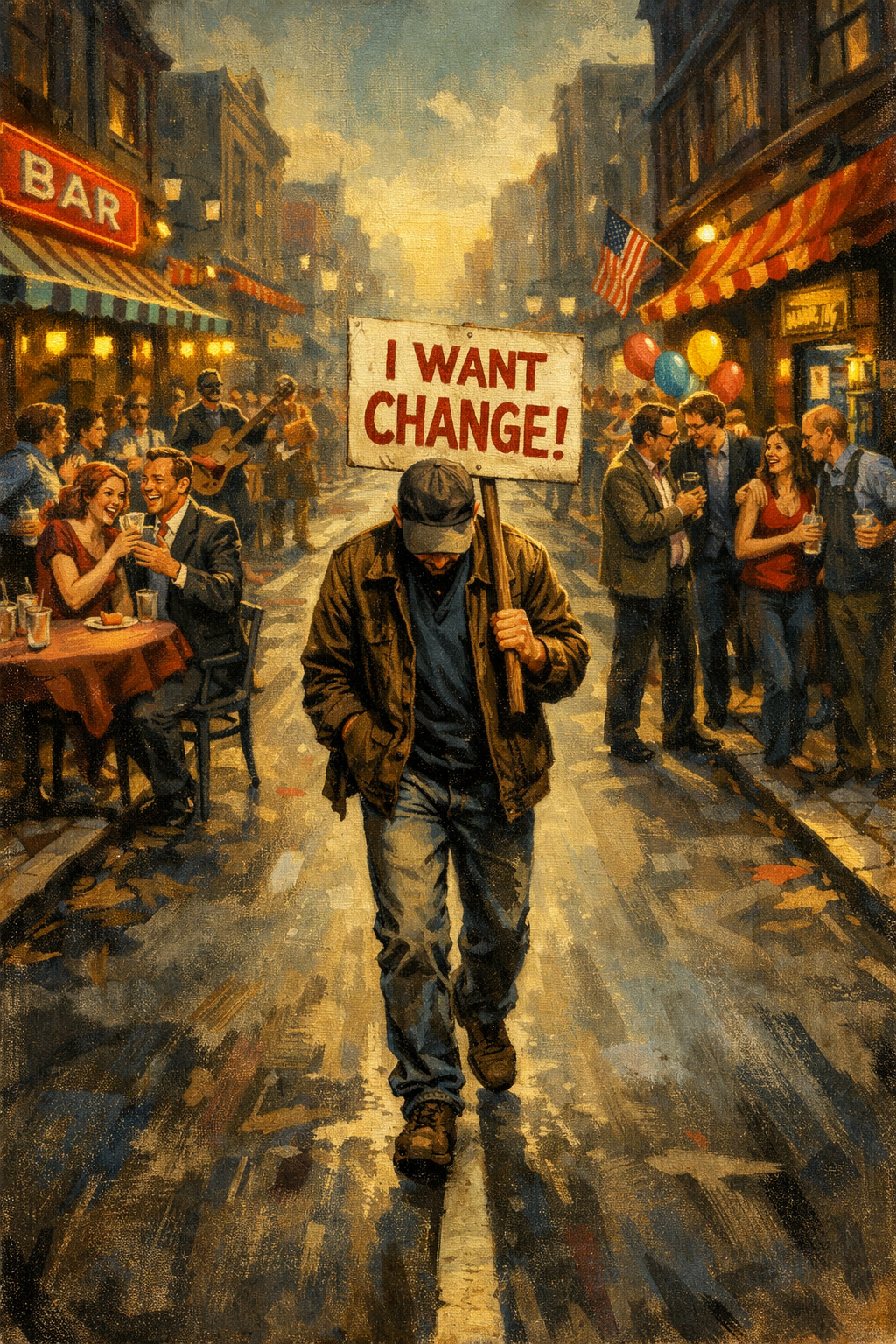
The Avoider would have us look straight ahead.
Eyes down.
Single path.
It avoids possibility.
New paths.
New information.
Ideas.
Beliefs.
Exploration is uncomfortable because it risks being wrong.
Because things change.
Because someone else may see what we don’t.
The Avoider tells us nothing needs to be explored.
That we already know.
That certainty is safety.
But the map keeps shrinking.
Self-Mastery begins when we stop, look around, and explore anyway.

Avoidance of Understanding
The Avoider avoids any attempt at understanding, understanding ourselves, others, or circumstances. To understand ourselves takes time, patience, and a tolerance for frustration and pain. It feels easier to avoid. And many do. Year after year. For a lifetime. But avoidance only delays resolution, deepens resentment, and keeps us from real connection. Understanding begins where we want to look away.
Monster of Our Own Making
The Avoider promises
A happier life
An easier life
A less stressful life
If we simply avoid the hard things.
The Avoider shows up fast.
Avoidance comes in the form of controlling, perfecting, worrying, switching tasks, and pleasing others.
It keeps us from focusing, starting, and finishing what actually needs to be done.
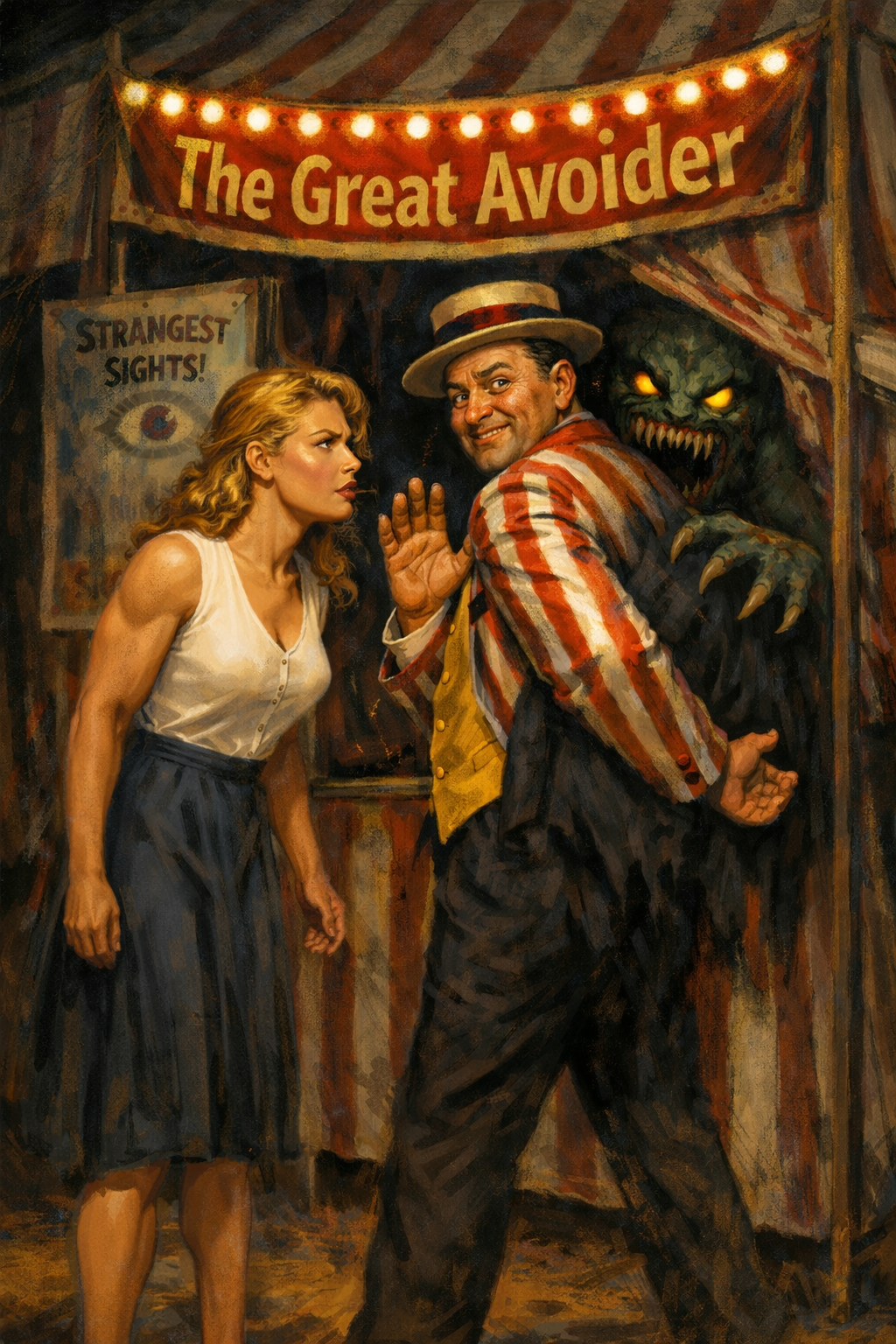
Avoiding does not remove the problem.
It hides it away.
Feeding it in the dark.
Allowing it to become a monster.
The Avoider is useful.
Transparent.
A terrible liar.
It tells us exactly where to look.
Avoid the Avoider.
Look behind them.
Find the growing monster.