




Get In Touch
We are always in touch and out of touch at the same time. Gravity keeps us connected. Feet on the ground. Body on the seat. Clothes against skin. Hands in contact. And we hardly notice. We live in our heads, distracted, planning, reacting, somewhere other than where we are. Even when touching, we are out of touch. Relief is available through touch. Any surface, any movement, any sensation becomes a portal if we give it our full attention. Enter the body. Get in touch with touch.

Unsatisfied
We place conditions on our happiness and then wonder why it never lasts. Our desires, habits, and comparisons quietly demand more, even when our bellies are full, we are safe, and love surrounds us. The newest, the latest, the greatest, none of it satisfies for long. The hole refills as quickly as we think we’ve filled it. Satisfaction does not come from attaining. It comes from engaging. Nearly all of life is lived in the pursuit, in the doing, in the journey. When we detach happiness from conditions and root it in the process, we stop chasing and start living.
All That You Can Hold
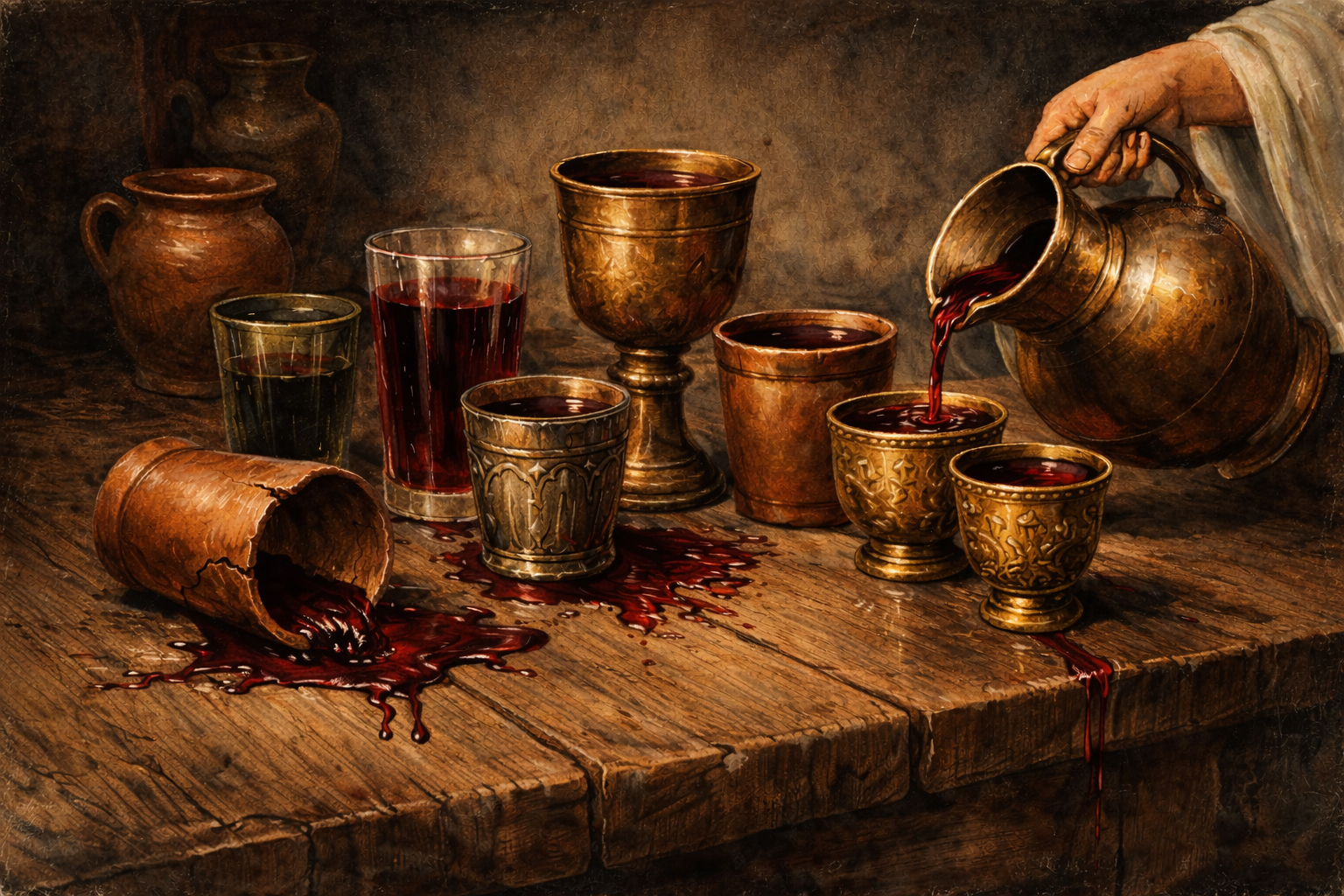
Something comes before us and we are eager to learn. We want knowledge, skills, understanding. We try to take it all in and become an expert at once. Instead there is confusion, frustration, fear, overwhelm, and a sense there is not enough time. Nothing complex comes with immediacy. One arrives at the whole by studying the parts. Absorb not all that you wish, but all that you can hold.

What Will You Find?
Life can be hard. Days long. Responsibilities overwhelming. People difficult. We begin scanning for what will go wrong, who will disappoint, and how plans will unravel. Since that is what we look for, that is what we find. And yet, the same world holds beauty, goodness, and lessons in every circumstance. Each moment, we decide what we find by what we choose to look for. Seek the good, and it will reveal itself.
The Sorrow Of Silver
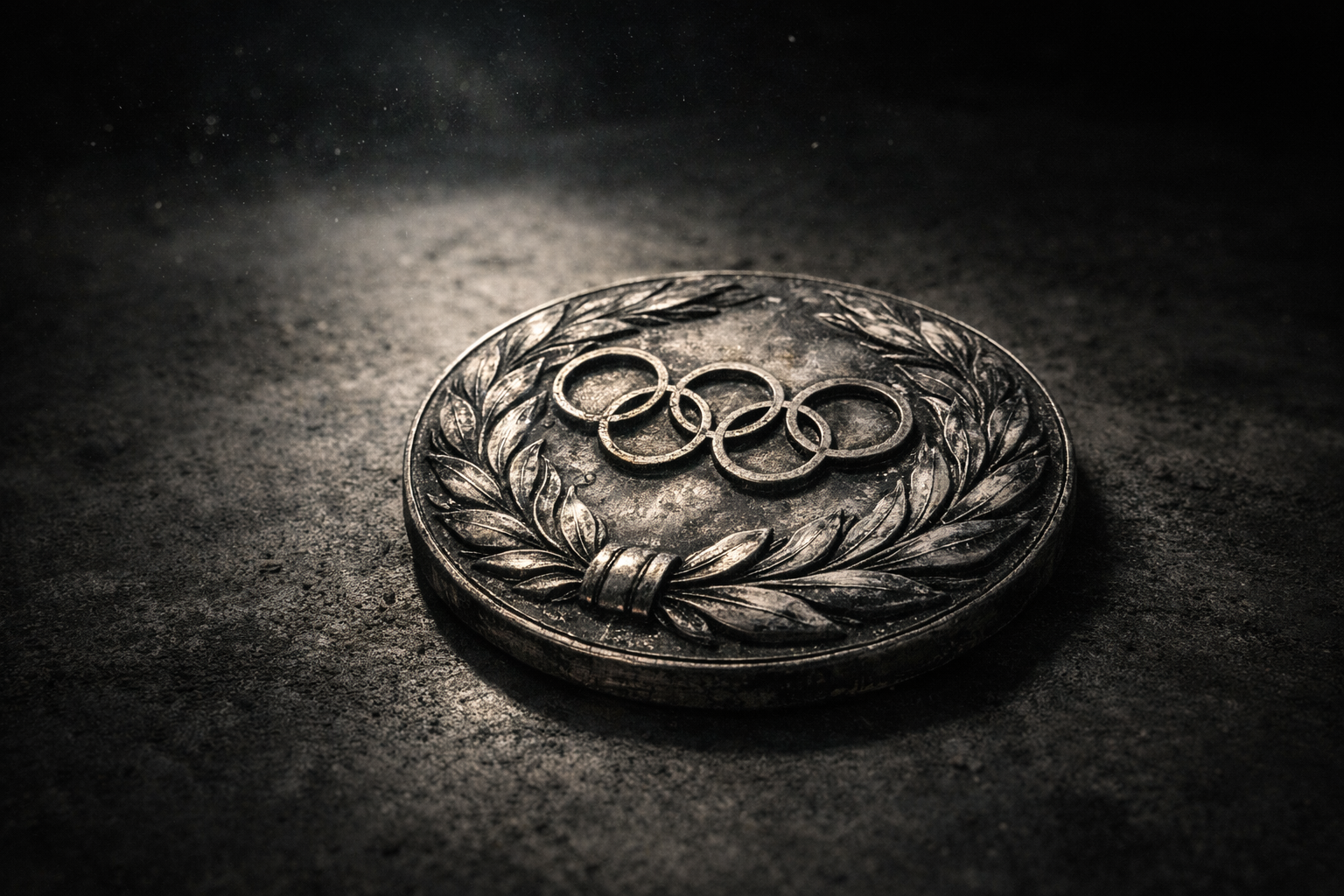
We’ve lost. We made it all the way here and couldn’t get it over the line. The work, sacrifice, and preparation led to this moment, and still it was not enough today. Silver can feel like failure when gold was the goal. But perspective changes everything. Number two in the world is not defeat, it is excellence. What we choose to carry from this moment will define us far more than the medal itself. Silver should taste sweet, if we allow it.

Thank Your Body
We get older. We look in the mirror and see the change, the wrinkles, the slowing down. We wish we were stronger, faster, more youthful. Our bodies are not what they once were. And yet this body is the only one we have. It has endured, moved, felt, loved, healed, and carried us here. Despite neglect, excess, and being taken for granted, it continues. Nurture and love your body. Give thanks for the vessel that allows you to live, feel, and move through life.

Recalibration Over Resignation
All day, every day, challenges, opinions, ideas, and frustrations come our way. The reflex is to react, to judge, to defend, to invest energy in everything that pulls at us. Most of it does not require our time or attention. Recalibration is not resignation. It is not apathy or giving up. It is the disciplined decision to let things be what they are and redirect energy toward what actually matters. Thoughts will come, emotions will rise, but we choose where to invest. Recalibrate from the urgent and trivial to actions that strengthen your mind, body, obligations, and relationships.

As You Work On It, It Works On You
Days are consumed by the urgent. Each distraction eats minutes and hours, and drifting from one fire to the next feels productive, even comfortable. But without intention, we are not authoring our own change. Change will happen with or without our direction. When we set the sails, tighten the lines, and point the rudder, we become the lead author of who we are becoming. As we work on a deliberate daily practice, it works on us, shaping our focus, decisions, relationships, and performance.

Stick to It
We make plans with clarity and conviction. Then doubt creeps in. Confidence fades, nerves rise, and the unfamiliar feels wrong. The Judge and Saboteurs get loud. This is not a signal to quit. It is the predictable resistance that comes with growth. You have been here before. You have changed before. Stick with it long enough to gather real data. Follow your values. Recalibrate when needed. Let the new become second nature.

Make A Plan
Days unfold as they will if we allow them. Our time, energy, and attention are fought for by advertisements, conversations, meetings, text messages, emails, phone calls, social media posts, breaking news, and podcasts. Minute by minute, the day is gobbled up. We feel the building stress of tending to the urgent while putting off the important. Without a plan, schedule, and boundaries, it is difficult to perform, focus, and execute at a high level. Every morning is a reset. Every evening provides the opportunity to plan for the next day. Block the time. Set expectations. Do not deal with the urgent as it comes. Peak your performance by making a plan.
Choose How You Play
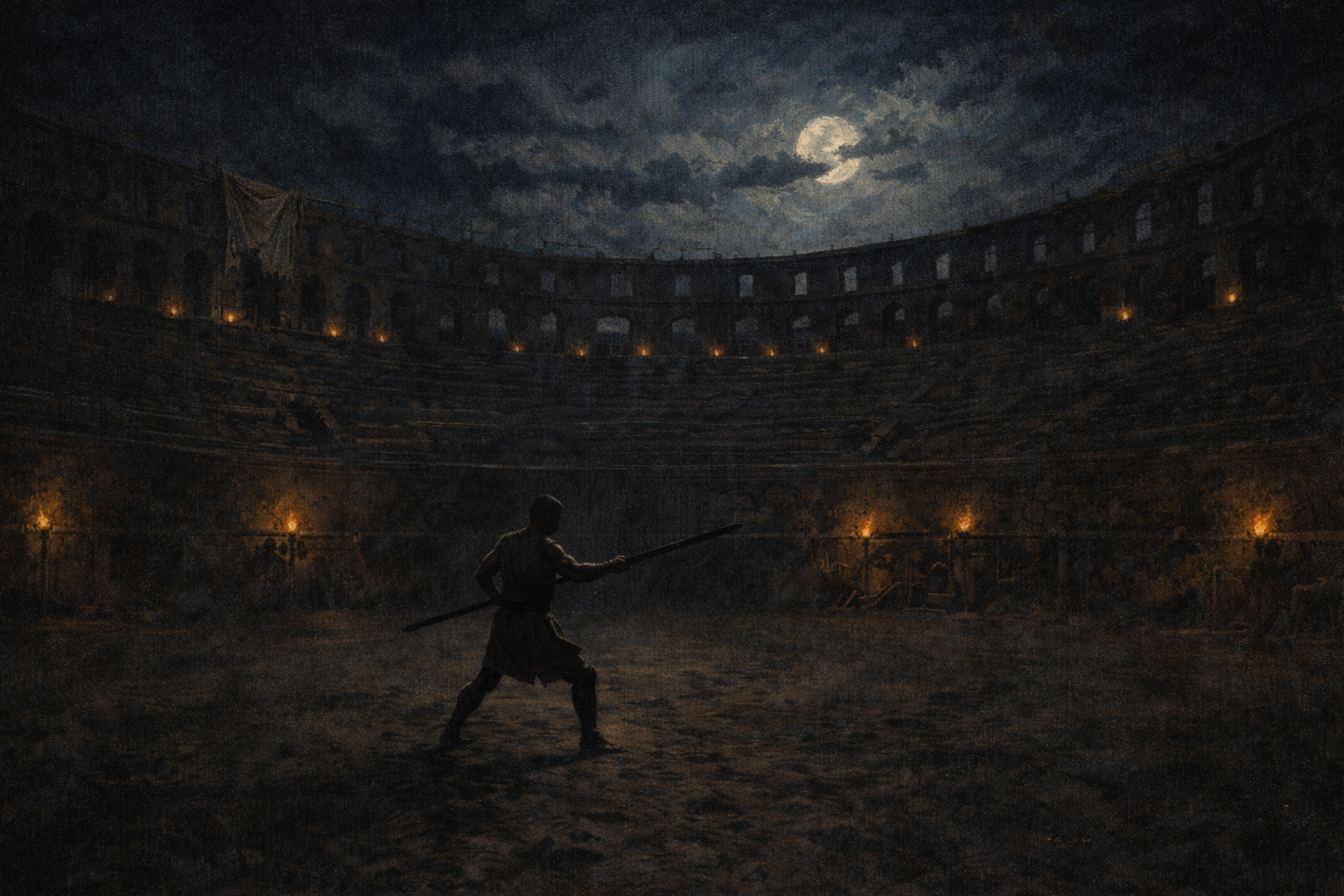
We don’t get to choose our opponent, the ref, the weather, or how our teammates show up. The game will be played. There will be a field, players, officials, and conditions. That is true in sport and in life. What we do choose is how we play. Our effort. Our values. Our level of commitment. Our attitude. The version of ourself that shows up. Choose how you play.

No More Logs On The Fire
We are social animals, constantly around one another, a cooperative species. Being around one another creates conflict. People are stressed, and their stress stresses us. Frustration creates frustration. Complaining begets complaining. Our moods are contagious, and it can be measured by mirror neurons. When someone walks into the room, darkness can follow, or positivity can spread. We feed anger with more anger. They push, we push, and the fire grows. What we match with can be a choice. We can choose fire with ice, frustration with hope, anger with empathy. Pause before responding. Choose the opposite. No more logs on the fire of negativity.
What’s The Worst That Can Happen?
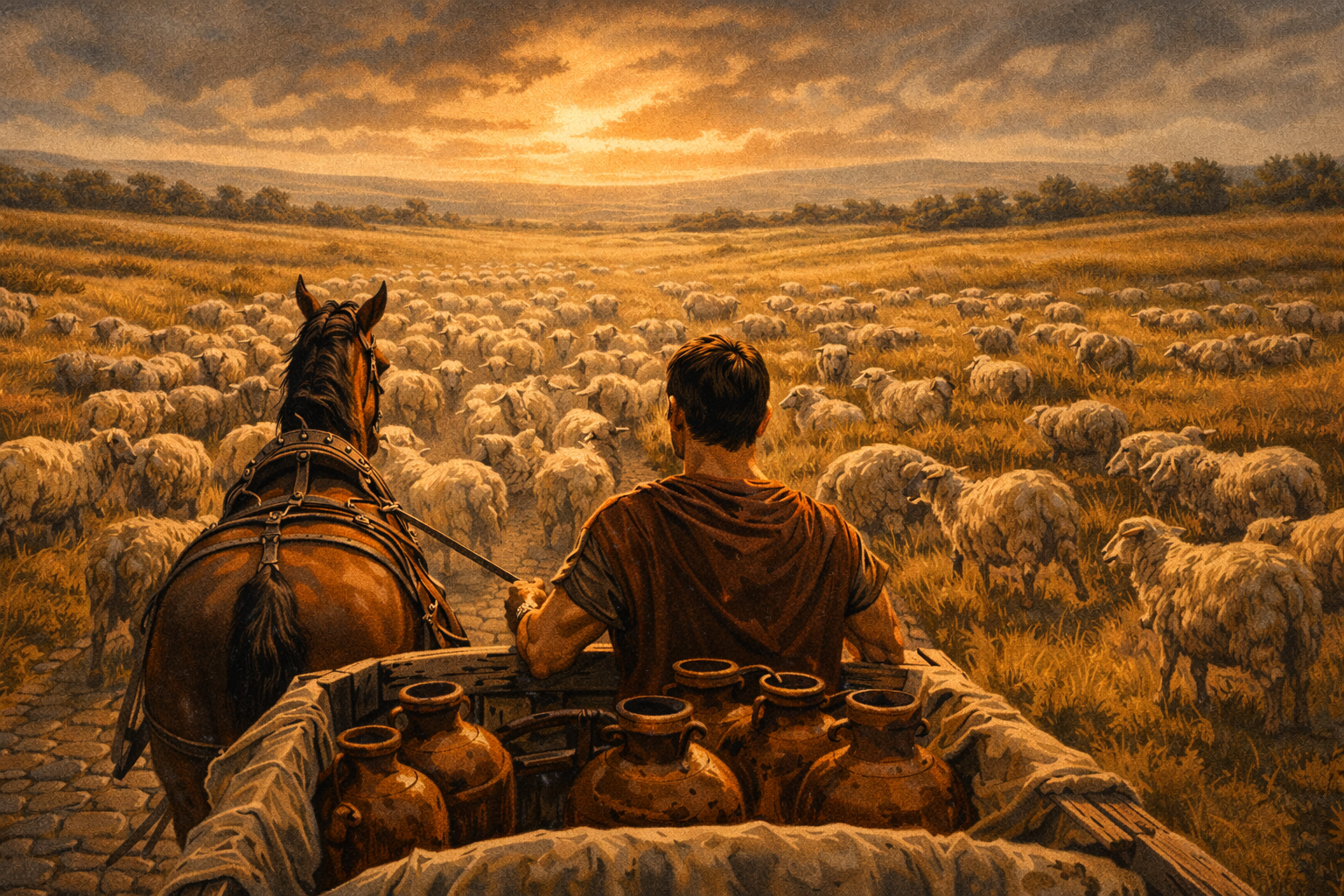
We worry, stress, create scenarios, and project into the future. We imagine all the ways things could go wrong, from projects failing and relationships ending to traffic and small daily decisions. Most of what we fear is outside our control. But even the worst-case scenario can become knowledge, skill, or opportunity. When we play it out fully and look for the gift, stress turns into strength.

I’ve Got Nothing
We always have something to contribute. An opinion. A solution. A better way to do it. We think we are helping, expediting, providing insight. In reality, we are often just needing to be right and in control. By having nothing to offer but a bent ear, we give others the space to think, struggle, and grow. When they ask, our guidance is welcomed. By having nothing, we provide exactly what is needed.
You Can’t Make Me
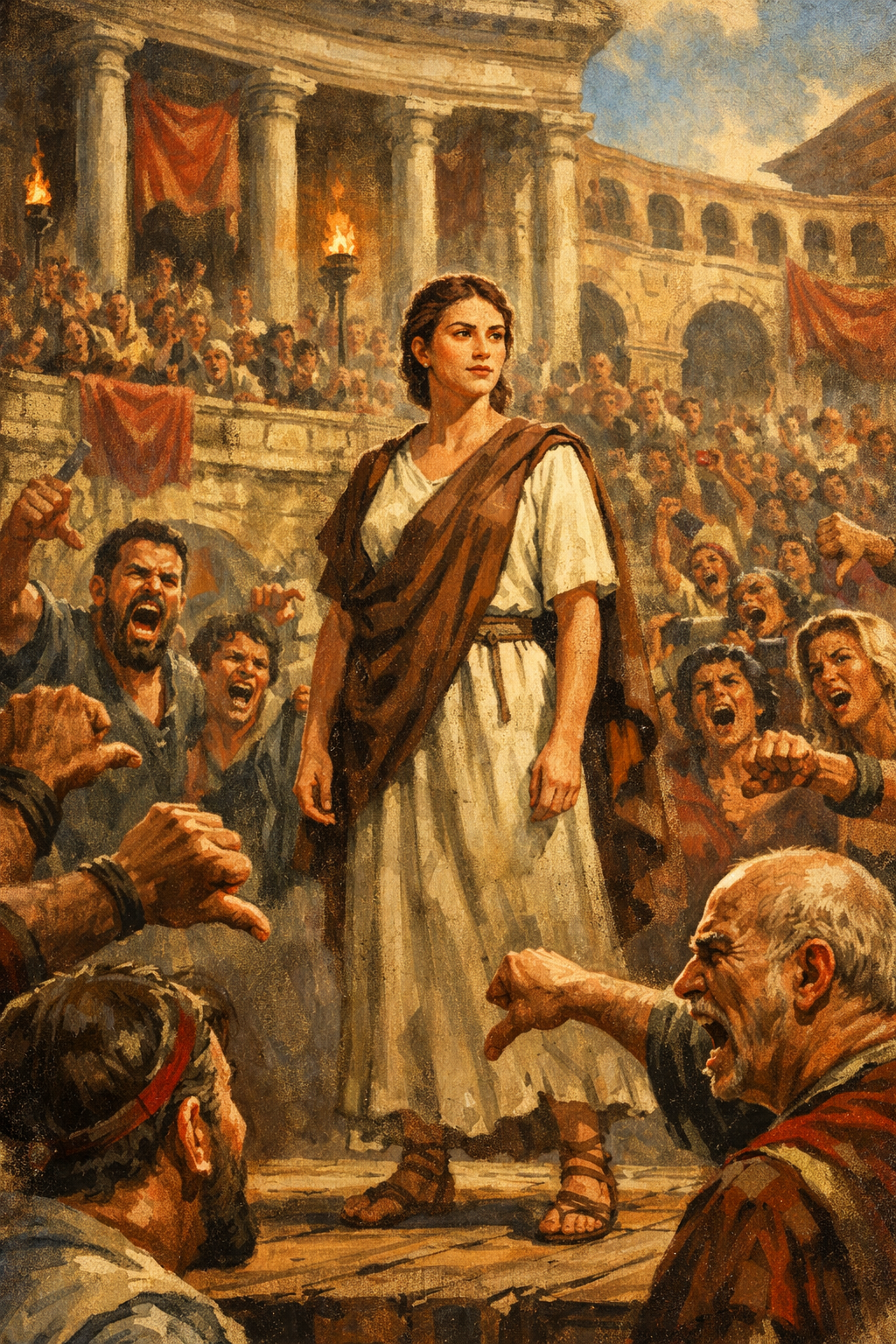
You Can’t Make Me examines the belief that others make us angry, insane, or out of control.
It challenges the idea that people pull our strings and asks whether we are puppets to their will.
The entry reinforces that no one can make us feel or act a certain way unless we allow it.
It centers on ownership of thought, emotion, and response, planning for the trigger, sensing the wave, and pausing before action.

They’re Not Feeling The Good
They’re Not Feeling The Good examines how appreciation goes unspoken in our closest relationships and how negativity quietly outweighs acknowledgment. It explores our wiring toward criticism, the three to one ratio humans need to offset negative input, and how small acknowledgments, gratitude, and spoken value rebuild connection at home and at work.
You’re Not Good At A Lot Of Things
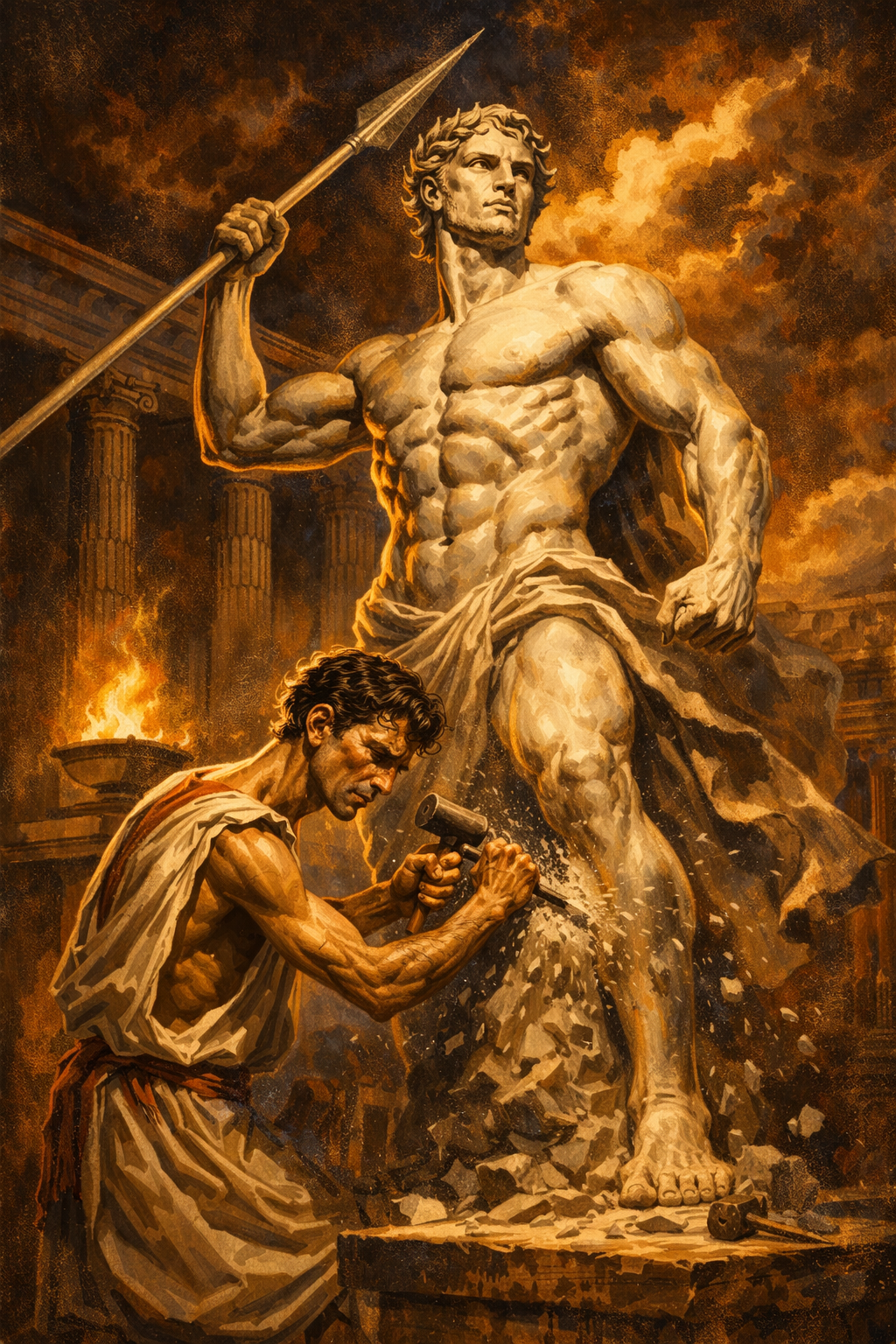
You’re Not Good At A Lot Of Things examines how comparison distorts reality. We see what others are good at and measure ourselves against a narrow slice of their strengths, while ignoring the work, struggle, and deficiencies we never see. The journal explores why no one is good at everything, how skills are built quietly over time, and how attention is wasted when focused on what we lack. The work redirects energy back to what we already do well, or toward deliberately building new skills, accepting that being bad is part of the process.
Thought It Would Help, But It Didn’t
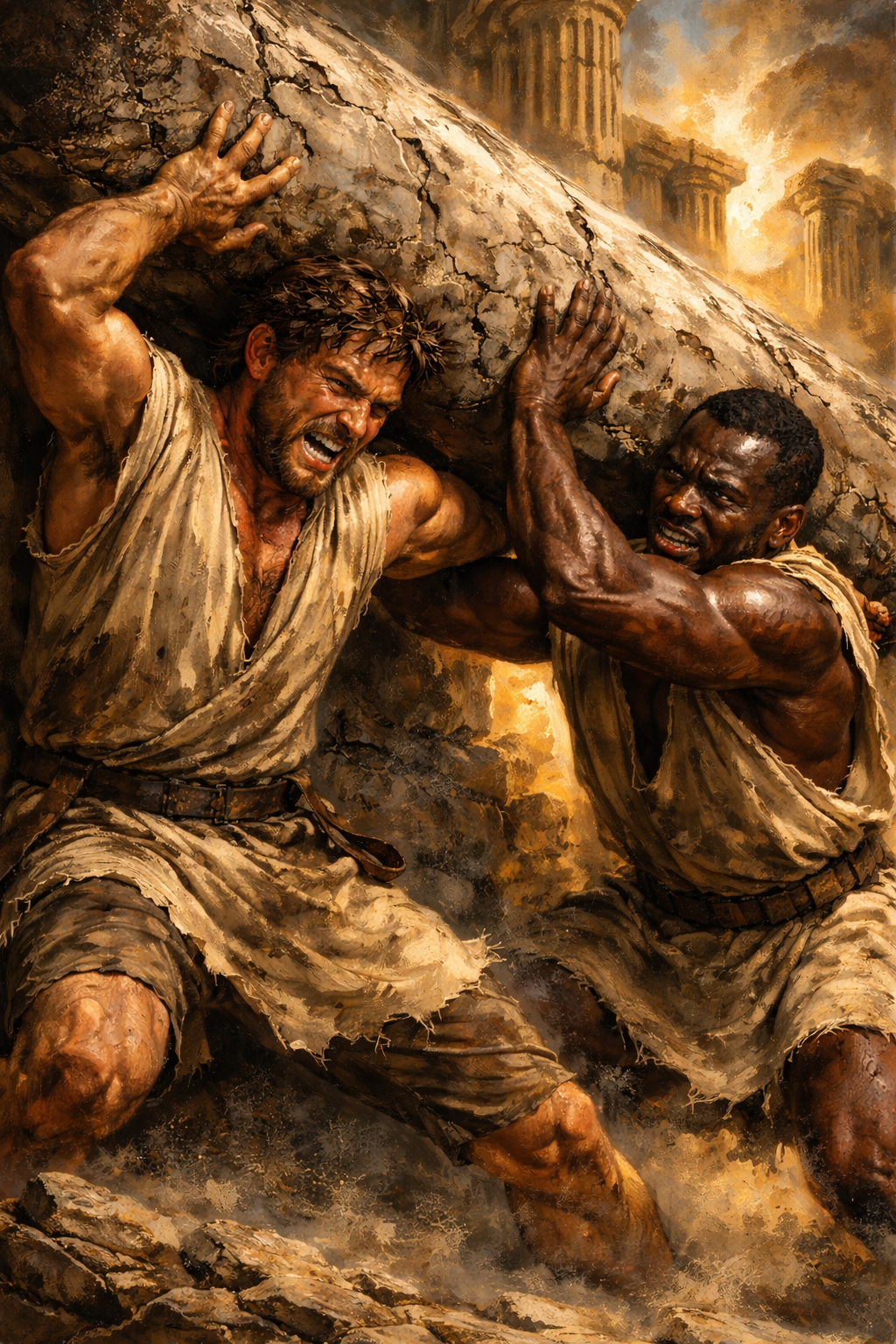
Thought It Would Help, But It Didn’t explores how small frustrations quietly accumulate.
How tasks, projects, relationships, and constant input begin to stack weight.
How emotions slowly take the controls.
And how venting and complaining feel relieving, but never restore control.
It examines why awareness matters before overload.
Why reminders, internal and external, are necessary.
And how clarity returns when attention is reclaimed and energy is redirected back to the work.

Start Again
Starting Over
Explores the day after the loss
When the game is over
The result is final
And the weight threatens to linger.
Winners and losers face the same truth
The clock resets
Work remains.
Recovery time matter
Between plays
Between mistakes
Between emotions
Between seasons.
The greats do not stay down
They start over