

Journal/Daily Practice
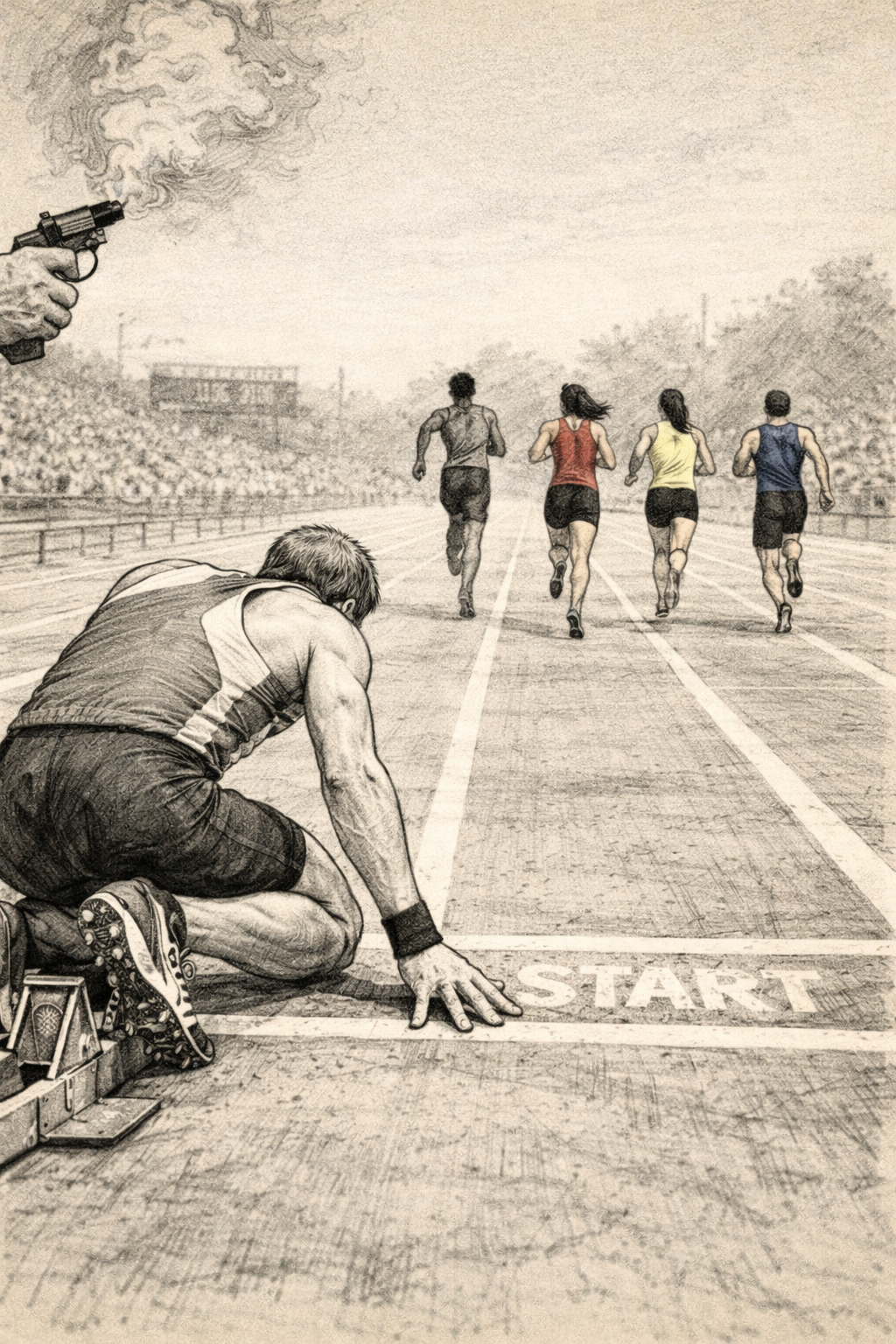
Start
We made a lot of promises last night, all over the world. Promises to work out, eat better, make amends, live differently, start the project, build the business. And now we wait. We wait for more time, more resources, more clarity, more confidence. We wait for others to show up. We wait for conditions to be right. We put rules around starting, we try to control outcomes before we’ve taken action. The cost is momentum. The cost is trust in ourselves. The trick is we just need to start. Things are never going to be perfect. We’re never going to have all the time, resources, or knowledge. People might not show up, but we can. Start where you are. Remove the conditions.

Think Small to Go Big
This is the year because we’ll look past the grand and toward the simple. We’ll stop chasing motivation and hope, and instead focus on systems and processes. We’ll notice where we are, often. We’ll break things down into small, achievable tasks and recognize that things get done when they are easy to do. Extraordinary outcomes are created by ordinary actions repeated consistently over time. This is the year to think small and go big.
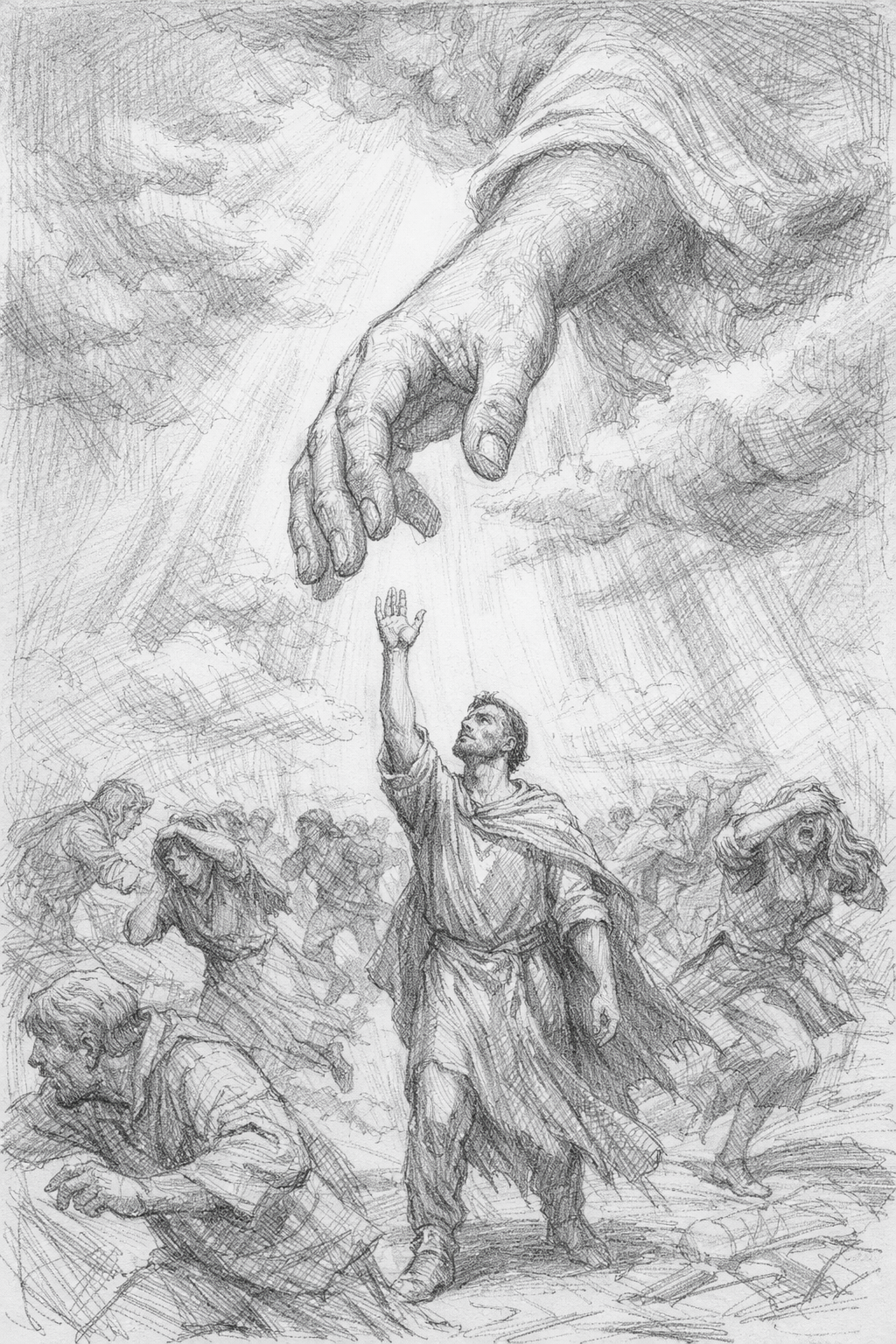
Big Things
Big things don’t happen all that often. When they do, it can be difficult to calibrate, to respond appropriately, to be the person who acts the right way and says the things we ought to say. Because we can’t practice big things very often, the small moments become our training ground. The big thing can crush us, or it can become the moment we take a big leap.

Take Notice
Life passes in a blur. We wake up, rush, sleep, and repeat. In our drive for efficiency, we stop noticing. We lump life into categories and miss the rich detail all around us, the uniqueness of a tree’s bark, the quiet work of ants underfoot, the subtle changes in those we love. By slowing down and noticing what is already here, we reclaim presence, reconnect with beauty, and free ourselves from the traps of automatic thought.

Trivial Pursuits
We pursue the trivial.
We chase things that don’t matter and spend time on inconsequential tasks. We argue to be right, demand perfection, and try to control too much. It feels productive. It feels responsible. But it scatters our attention, drains energy, erodes trust, and pulls us away from what is actually important.

Find the Way Back
We feel the weight and the pressure. We feel the creep of frustration, irritation, and anger, and we know the fuse is shorter than it should be. Because we can feel it, see it, and recognize it, we can stop it. Create distance, let the temperature cool, then return clear and grounded to find what’s needed, help, skills, knowledge, patience, or a smaller next action. Find the way back.

Before/After
The presents are unwrapped, but the real question is what we are willing to shed. The day after Christmas is an invitation to release the shell we’ve built, stop clinging to who we’ve been, and begin again with intention, presence, and discipline.

Forget It
We carry history into everything, conversations, tasks, and challenges. Memory tells us what worked, what failed, and what might go wrong again. Over time, that remembering becomes baggage. When the past dictates the present, curiosity fades and action stalls. Self-mastery begins when we choose to meet each moment fresh, without assumption, without prediction, and without letting memory decide what is possible now.

Unpack The Gifts
Every day life gives us something. Before unpacking it, we judge it. We decide what’s inside, why it’s bad, or how it might hurt us. We try to control it, avoid it, or send it back. But what if every circumstance is a gift? What if good and bad are constructs we choose? When we stop judging the circumstance or the gift-giver and simply open what’s been given, obstacles become teachers, conflict becomes understanding, and life becomes something we can work with instead of against.

Drip…
How good do you want to be? No one is going to force you to improve. Either you are doing the work, or you are not. The drip of water cutting through stone is slow, ordinary, and unimpressive in the moment, yet unstoppable over time. Change is not found in planning, perfection, or the past. It is found in the doing. One drop at a time. Every day offers a chance to show up, to practice, and to earn what cannot be given. The question is simple: who will fill your bucket?

What Do You See?
We see what we see. We see what we want to see. We see what we know. That truth becomes an obstacle when certainty hardens and curiosity disappears. Conflict grows not because solutions are missing, but because perspective is narrow. Learning to pause and ask “What do you see?” opens understanding, reduces friction, and restores the ability to move forward together.
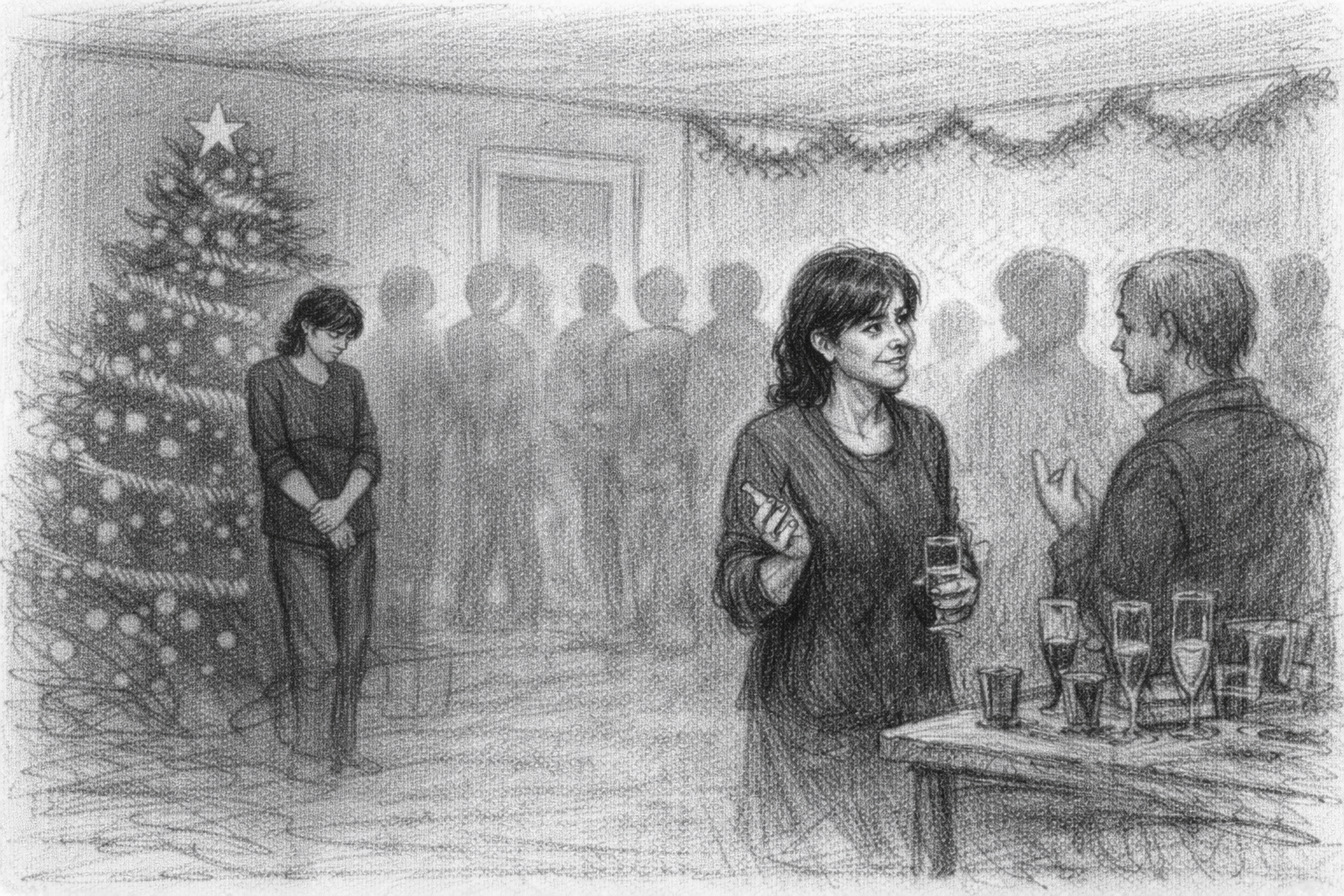
From Performer to Explorer
Most holiday stress doesn’t come from the gathering itself.
It comes from the performance we think will be required once we arrive.
We predict awkwardness.
We anticipate discomfort.
We turn attention inward and start managing how we look, sound, and are perceived.
There is another way.
We don’t need to be interesting.
We need to be interested.
When we replace performance with curiosity, attention moves outward, self-consciousness loosens, and awkwardness fades on its own. The room stops being a stage and becomes a place of discovery.
Presence replaces pressure.

In the Space Between
We all react. We get frustrated, snap, and let tone or attitude take over. When stimulus dictates response, there is no growth, only conditioning. Learning and freedom live in the space between, where emotion has been felt but not obeyed, where impulse has not owned the outcome. That space is where we rewrite our automatics, choose deliberately, and reclaim freedom, moment by moment.

Find the Nugget
We want to be helpful. We want to solve. We want our ideas to win. And without realizing it, that need to be right becomes the very thing that prevents us from being heard. The obstacle is not a lack of intelligence or good intention, it is the inability to slow down, dig, and meet someone where they are. The gift is learning to find the nugget, the part we can agree with, and starting there. When someone feels heard and understood, resistance softens. Shift or not, the outcome improves.
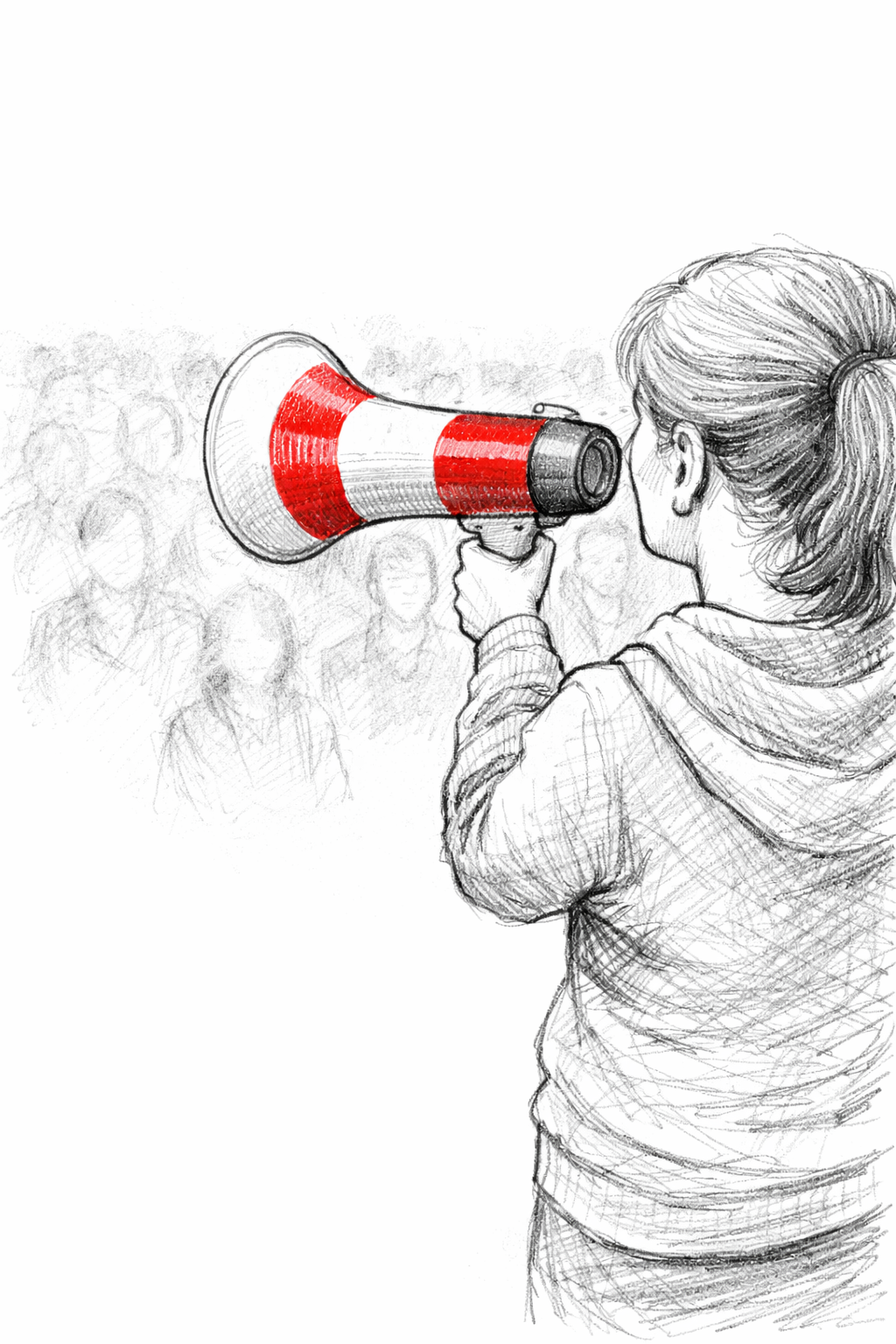
Say No for More Yes
Demands for our time and attention are many. We say yes because we want to be helpful, to please, to do the right thing. Over time, yes becomes automatic, expected, and exhausting. When we agree to too much, we leave no room for ourselves, and resentment quietly builds. Learning to say no is not selfish. It is disciplined. A no to the urgent is a yes to the important. A no to others is often a yes to ourselves.

80/20
Most days are consumed by what feels urgent. Emails, messages, requests, and small tasks stack up quickly, demanding attention but offering very little in return. Meanwhile, the important work waits. The work that actually moves life forward. When we learn to identify the few things that matter and guard our time with ruthless scrutiny, stress drops and progress accelerates.
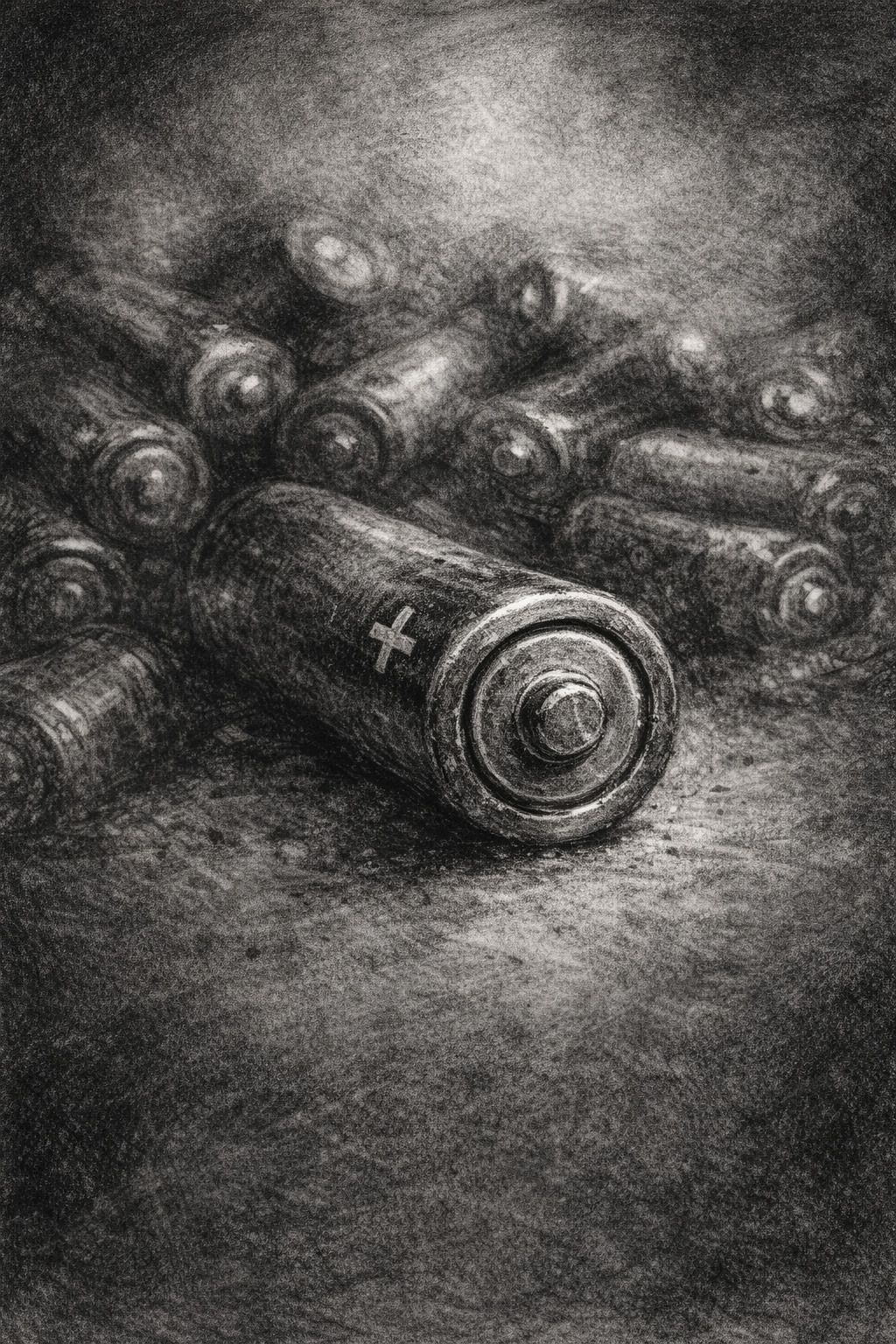
Choose +
It’s the holidays and we’re stressed out. Stressed about the parties, the kids, the parents, and all the things that pile up at the end of the year. But we don’t have to live there. There is another way. We can choose understanding over frustration, empathy over judgment, and action over avoidance. Stop thinking about it. Do the next thing. Get the stuff done without letting stress drive it.

Be the Candle That Lights Another
We are preoccupied in our lives. Focused on what needs to get done. Our thoughts drift inward toward time, performance, and productivity, and what gets lost is how we impact others. The lessons we leave, the tone we set, the effect we have. Leadership is not announced. It is practiced. One candle can light many.
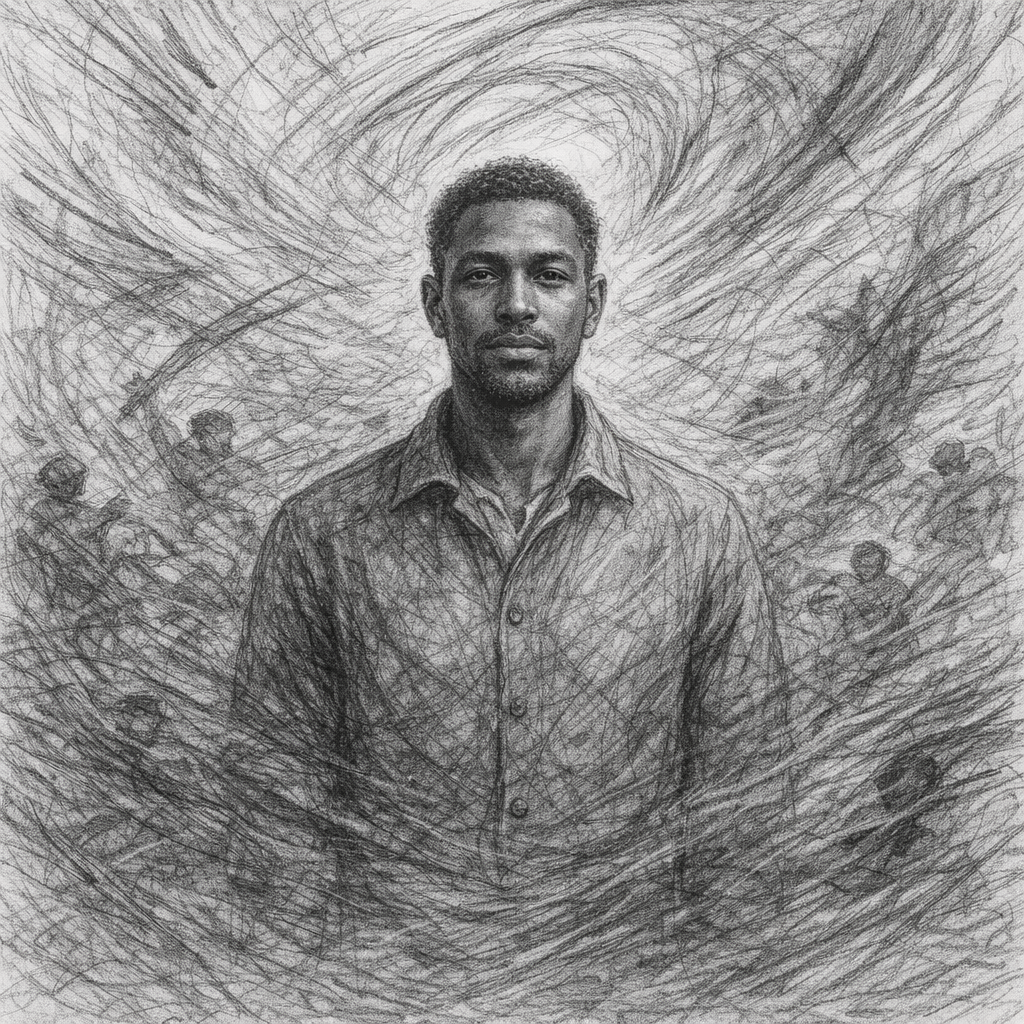
Be Where You Are
Life is busy, responsibilities pile on, and it often feels like there is never enough time. We do not get to choose what happens to us, but we do get to choose how we respond. When we stop resisting the moment and release the misery we add, presence becomes possible. Peace, focus, and meaning are found by being where we are.

Time Burritto
We don’t get to make more time.
We all want it, but we can’t make more of it.
But we can make better use of the time we have.
When we rush to talk, explain, correct, persuade, or solve, we waste time solving problems that were never asked to be solved.
When being right matters more than being present, relationships strain and trust erodes.
Presence saves time.
Empathy saves time.
Solving the problem instead of a problem saves time, emotion, and energy.
Time isn’t the problem.
How we show up inside of it is.